Tracing Real-Time Disbursement Advances in Licensed Mobile Gaming Platforms Worldwide
Blake Hartmann · Jul 22, 2026
Tracing Real-Time Disbursement Advances in Licensed Mobile Gaming Platforms Worldwide
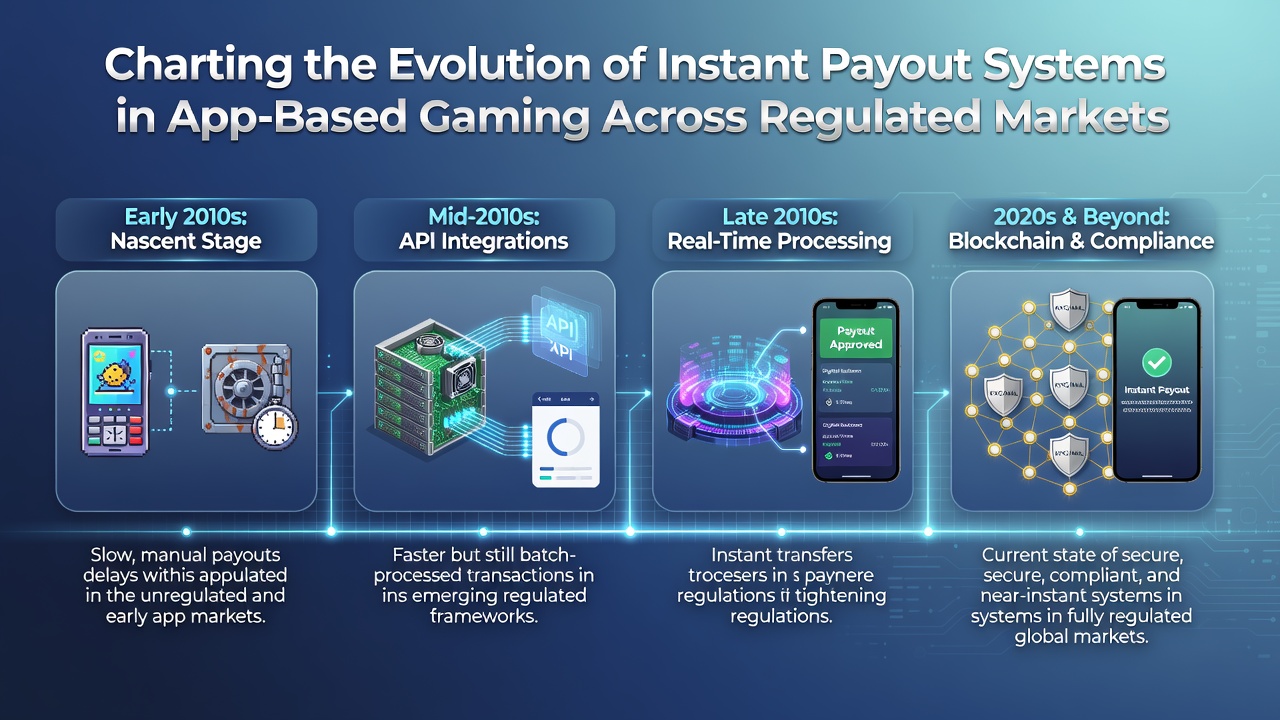
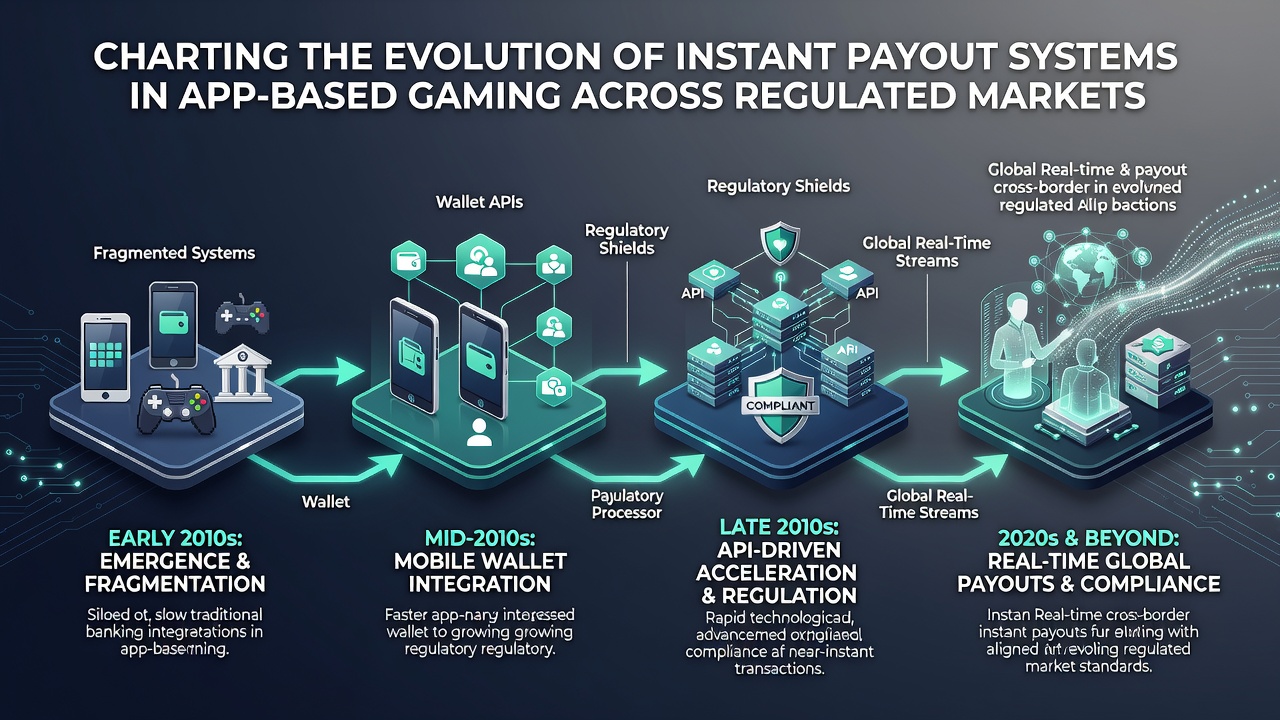
Observers note that app-based gaming has shifted payout mechanics dramatically since the early 2010s when players waited days for bank transfers to clear after wins. Regulated markets in North America and Europe began adopting digital wallet integrations around 2015, which reduced processing times from 72 hours down to minutes in many cases. Data from state regulators shows that New Jersey's Division of Gaming Enforcement documented a 40 percent increase in player retention once instant options appeared in licensed apps during 2018. Those early systems relied on partnerships with established processors such as PayPal and Skrill, yet limitations remained because cross-border transactions often triggered additional verification steps. Researchers at the University of Nevada Reno examined transaction logs from 2016 through 2020 and found that average withdrawal speeds improved by 65 percent after operators implemented API connections to these services. Meanwhile markets in Ontario and several Australian states introduced similar frameworks that required operators to maintain segregated player funds, ensuring faster disbursements without compromising oversight.Key Technological Shifts Driving Speed
Blockchain-based solutions entered the picture by 2021, allowing operators in Malta-licensed environments and certain US tribal gaming jurisdictions to settle wins in under 60 seconds using stablecoins. Industry reports from the European Gaming and Betting Association indicate that transaction volumes processed through these methods rose from 12 million in 2022 to over 48 million by the end of 2024. Developers integrated these ledgers directly into app backends, eliminating intermediary banks that previously caused delays.
Artificial intelligence entered the verification layer around the same period, scanning player behavior and KYC documents in real time. One study published by the International Centre for Gaming Regulation at the University of Las Vegas highlighted how machine learning models cut false-positive flags by 30 percent, which in turn accelerated approvals. Players in regulated Canadian provinces experienced the practical effect when apps began offering same-minute payouts to verified accounts after successful deposits.
Regulatory Milestones Across Jurisdictions
Regulators in multiple regions updated technical standards to accommodate faster systems while preserving consumer protections. In July 2026 the New Jersey Division of Gaming Enforcement issued updated guidelines requiring all licensed apps to support at least two instant payout methods, citing improved player satisfaction metrics collected over the prior 18 months. Similar moves appeared in iGaming Ontario where operators must now report average payout times quarterly, with data showing most platforms achieving sub-five-minute processing for e-wallet withdrawals.
Australian state authorities followed suit by mandating that remote gaming apps display estimated payout durations at the point of withdrawal requests. These rules emerged after consultation papers revealed that transparency reduced player complaints by nearly half. Meanwhile the Malta Gaming Authority refined its remote gaming directives to include mandatory stress testing for high-volume instant payout periods, ensuring systems remain stable during peak activity.
Current Landscape and Integration Patterns
Modern apps combine multiple rails including traditional e-wallets, open banking connections, and tokenized card solutions. Observers point out that this multi-option approach lets players choose based on geography and preference, with European users often selecting instant bank transfers while North American players favor digital wallets. Figures released by the European Gaming and Betting Association show that 78 percent of regulated mobile operators offered at least one instant method by mid-2026.
Security layers have evolved in parallel, incorporating biometric authentication and device fingerprinting to maintain compliance without adding friction. Case studies from operators in New Jersey and Ontario demonstrate that these combined measures kept fraud rates below 0.2 percent even as payout volumes increased. The reality is that regulated markets continue to balance speed with safeguards, creating environments where instant disbursements operate alongside strict audit trails.
Conclusion
The progression of these systems reflects coordinated advances in technology, regulation, and market demand across licensed regions. From the multi-day waits of the previous decade to near-instant settlements today, the infrastructure supporting app-based gaming payouts has matured significantly. Continued updates expected after July 2026 will likely refine existing standards further, maintaining focus on both efficiency and player protection in regulated environments worldwide.