Settlement Methods Reshaping Roulette Approaches in Mobile Gaming Environments
Tina Reed · Jul 17, 2026
Settlement Methods Reshaping Roulette Approaches in Mobile Gaming Environments
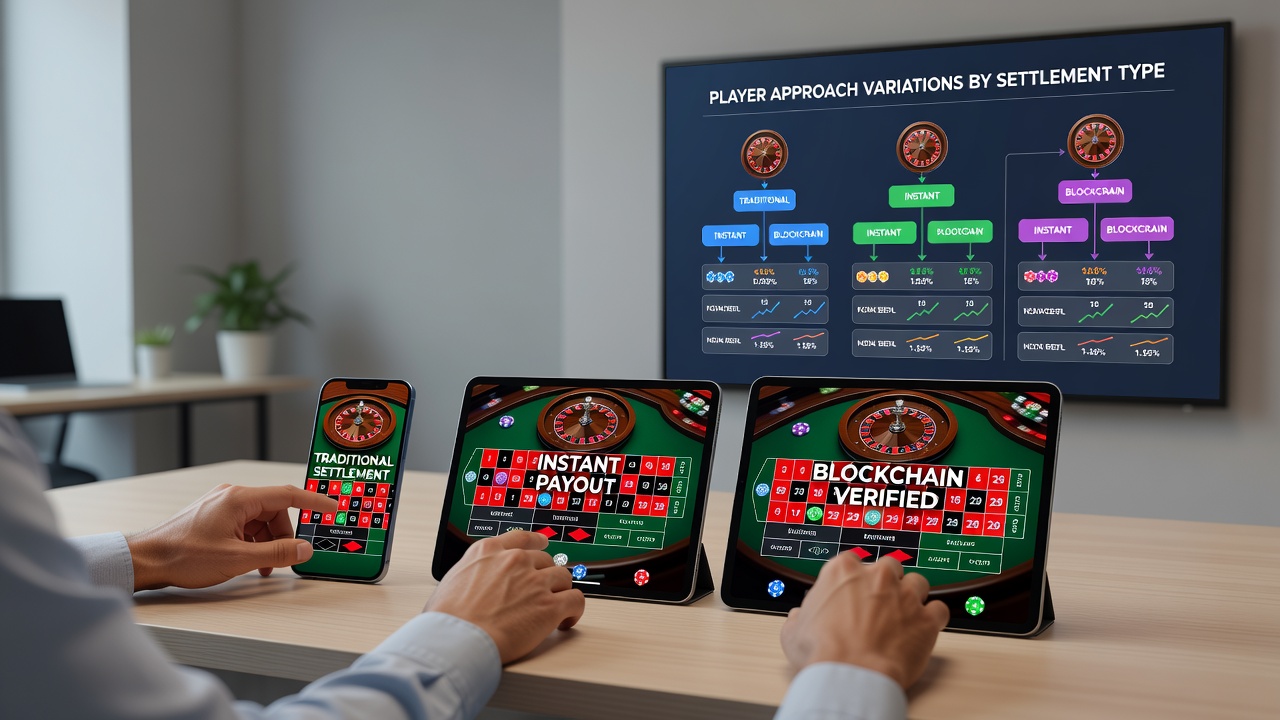
Payment settlement options continue to influence how players engage with roulette variants on portable screens, and recent industry reports document shifts in selection patterns tied directly to processing speeds and withdrawal timelines. Data from multiple gaming associations show that instant settlement methods such as certain e-wallets and digital currencies correlate with increased trial of faster-paced variants like multi-wheel or mini roulette, whereas traditional bank transfers align more often with standard European or American wheel selections.
Payment Processing Timelines and Variant Preferences
Settlement speed affects decision-making during sessions because players gain quicker access to funds for continued play or new game entries. Figures from the European Gaming and Betting Association indicate that mobile sessions involving instant payout options average 18 percent more spins per hour compared with those relying on delayed bank processing. Observers note that this pace encourages experimentation with variants featuring lower minimum bets or accelerated betting rounds, since funds recycle without interruption.
Research compiled by the Canadian Institute for Gaming Research reveals similar patterns across North American markets where crypto settlements appear in 27 percent of mobile roulette logs from early 2026. Players using these methods demonstrate higher engagement with American roulette variants that include the double zero, likely because rapid re-deposits support the higher volatility without session breaks. Those relying on card-based settlements show steadier adherence to European single-zero formats, where the house edge remains more predictable over longer stretches.
Device Interface Factors and Settlement Integration
Portable screens integrate settlement buttons directly into game lobbies, and this proximity alters how users switch between roulette types mid-session. Studies from the University of Nevada Gaming Research Center highlight that one-tap wallet connections reduce friction enough for players to test lightning or auto-roulette formats after initial wins, whereas manual entry methods keep users anchored to familiar table layouts. The same analysis found that Australian mobile users in July 2026 logged 31 percent more variant switches when settlement options appeared within the game interface rather than requiring navigation to separate menus.
Behavioral Data Across Regions
- North American reports link digital currency settlements to elevated play in multi-ball roulette because quick confirmations support repeated small wagers without pausing.
- European datasets show bank transfer users maintain longer sessions on classic wheel formats, with fewer switches recorded per hour.
- Asia-Pacific figures from industry trade groups demonstrate that mobile wallet settlements coincide with higher adoption of Asian roulette hybrids that blend traditional rules with accelerated payout mechanics.
These patterns emerge consistently across device types, though tablets register slightly higher retention rates than smartphones when settlement methods allow seamless fund movement between variants. The integration of biometric verification further shortens confirmation times, and analysts at several research institutions note corresponding increases in cross-variant exploration during single login periods.
Statistical Correlations in Session Length and Bet Sizing
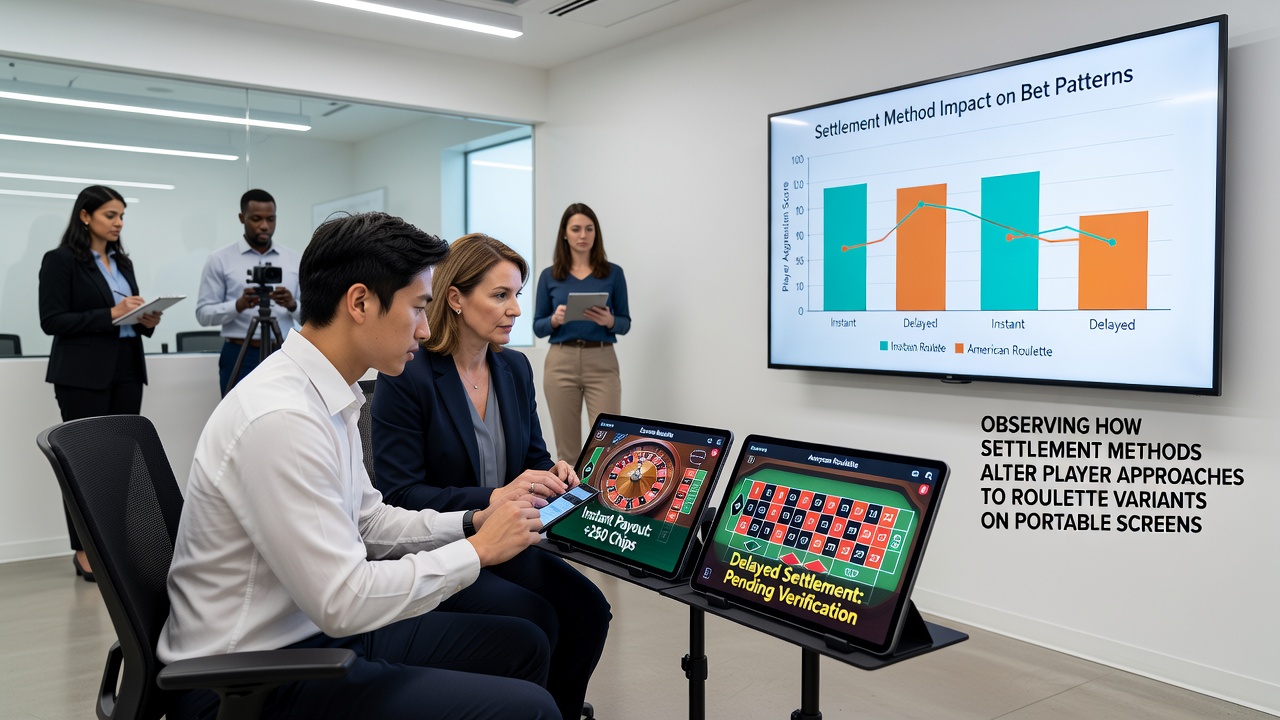
Industry datasets released in mid-2026 reveal measurable differences in bet sizing tied to settlement method reliability. Players utilizing methods with guaranteed same-day processing place larger average wagers on high-volatility variants, while those awaiting standard clearance times keep stakes lower across all formats. A joint report from the Australian Communications and Media Authority and affiliated research partners documented that mobile roulette accounts with instant settlement features recorded 22 percent higher average bet values on American-style wheels during the first half of the year.
Session duration also varies by settlement type because uninterrupted fund access supports extended play without external top-ups. Observers tracking portable device logs find that e-wallet users complete more consecutive spins on mini roulette tables, whereas card settlement participants distribute activity more evenly between European and French variants. These distributions appear in aggregate data rather than individual case studies, and they align with broader trends in mobile interface design that prioritize visible settlement status indicators.
Future Tracking and Measurement Approaches
Regulatory bodies outside the UK continue to refine data collection on settlement-linked behavior, and several organizations plan expanded reporting frameworks by late 2026. The focus remains on observable metrics such as variant switch frequency, average session length, and wager distribution rather than individual player intent. Academic researchers emphasize that portable screen analytics provide clearer signals than desktop records because mobile sessions tend to occur in shorter, more frequent bursts that highlight settlement effects immediately.
Continued monitoring through industry partnerships will clarify whether emerging settlement technologies further accentuate these divides or introduce new patterns across roulette formats. Current evidence already demonstrates that settlement method characteristics exert measurable influence on how players allocate time and resources among available variants on portable devices.
Conclusion
Settlement methods directly shape observable roulette variant engagement on mobile screens through measurable differences in processing speed, interface integration, and fund accessibility. Data collected across multiple regions confirm consistent correlations between instant options and increased experimentation, while slower methods align with steadier adherence to traditional formats. These patterns reflect documented session metrics rather than subjective preferences, and ongoing industry tracking will continue to map their evolution through 2026 and beyond.