Seamless Cash Flow: Payment Gateways Accelerating Deposits and Withdrawals in UK Online Casinos
Blake Keller · Apr 24, 2026
Seamless Cash Flow: Payment Gateways Accelerating Deposits and Withdrawals in UK Online Casinos
The Backbone of Quick Transactions
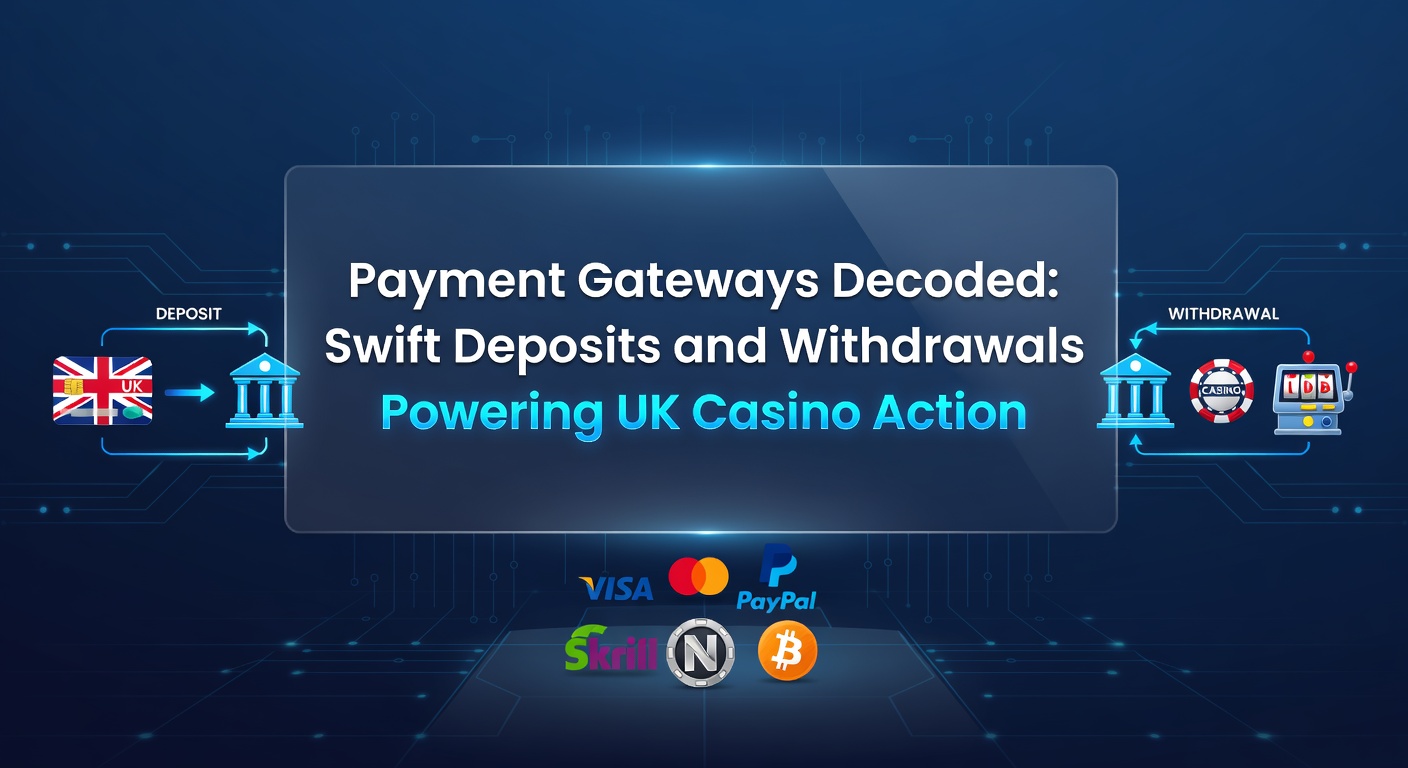
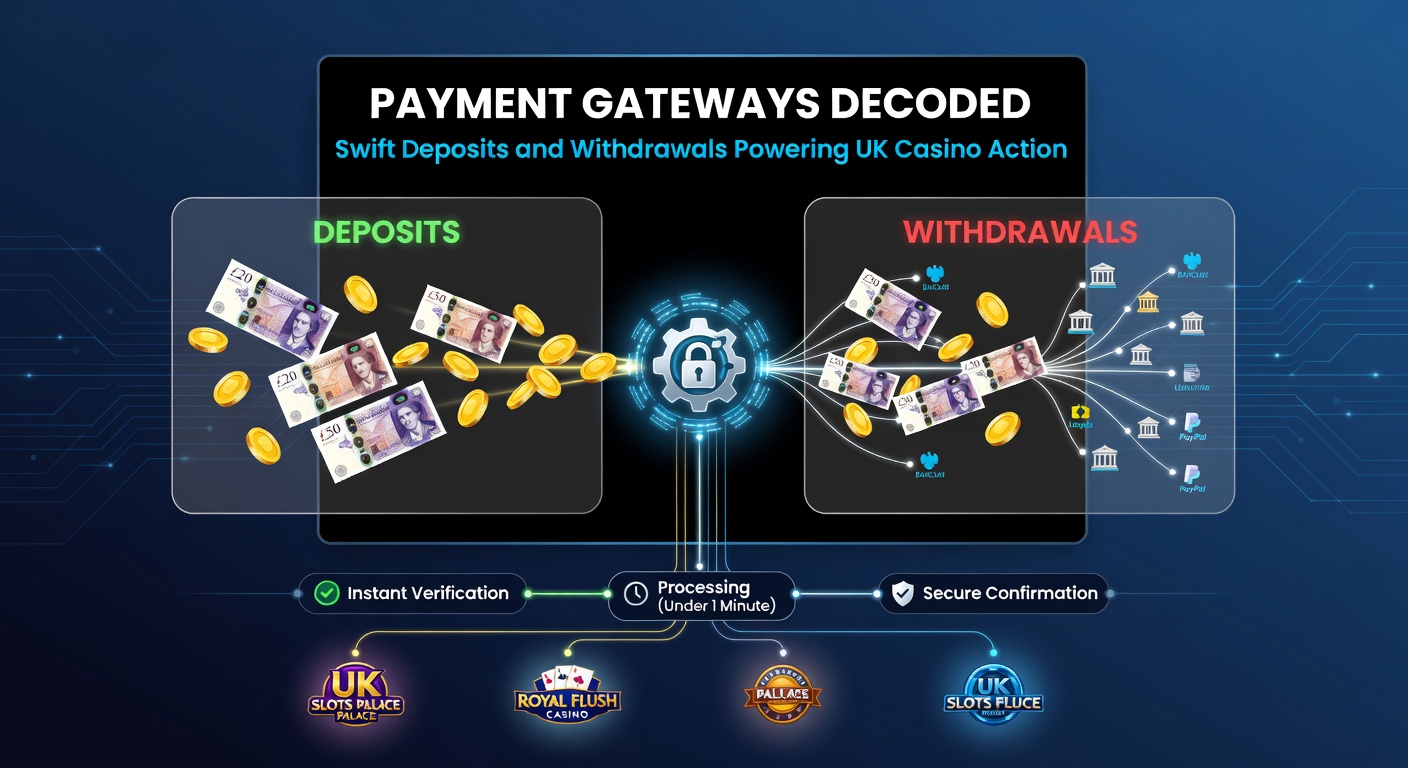
Payment gateways serve as the invisible engines behind every deposit and withdrawal in UK online casinos, processing millions of transactions daily while ensuring funds move swiftly and securely between players and operators. These digital conduits, often powered by third-party providers, handle everything from card swipes to e-wallet transfers, and data from the Payment Systems Regulator reveals that UK consumers completed over 4 billion non-cash payments in 2023 alone, with gaming sectors contributing significantly to that volume. Experts observe how gateways like these bridge the gap between a player's decision to fund an account and the moment slots start spinning, typically in under 60 seconds for most methods.
But here's the thing: not all gateways perform equally, since processing speeds vary based on the method chosen, the casino's integration level, and backend verification protocols that kick in immediately upon initiation. Take Visa and Mastercard, for instance; they dominate UK casino deposits because banks authorize them almost instantly, allowing players to jump straight into blackjack tables without delay. And while older systems like direct bank transfers once dragged on for days, modern APIs have slashed those times dramatically, turning what used to be a waiting game into seamless, real-time action.
Breaking Down the Most Popular Gateways
UK casino players gravitate toward a handful of trusted gateways that balance speed, low fees, and widespread availability, with e-wallets leading the pack according to industry figures. PayPal stands out because it verifies accounts in seconds for deposits up to £10,000 per transaction, while withdrawals hit player balances within 24 hours on average; researchers at the European Gaming and Betting Association note how such efficiency has boosted player retention by enabling quick access to winnings. Skrill and Neteller follow closely, offering prepaid options that bypass traditional banks altogether, and they process casino payouts in as little as 15 minutes during peak hours.
Card-based gateways, powered by giants like Visa Direct and Mastercard Send, push deposits through instantly via push-to-card tech, meaning funds land in casino accounts before a player even finishes verifying their identity. Yet cards shine less for withdrawals, where processing times stretch to 2-5 business days due to mandatory chargeback windows and bank holds, although instant withdrawal pilots launched in late 2025 are changing that landscape rapidly. Mobile wallets such as Apple Pay and Google Pay integrate even deeper, leveraging biometric scans for one-tap deposits that experts say cut friction by 70% compared to manual entry forms.
Now, emerging players like Trustly and MuchBetter enter the fray with open banking integrations, pulling funds directly from bank accounts without sharing card details; this approach, compliant with Strong Customer Authentication under PSD2 regulations, delivers deposits in real-time and withdrawals overnight for many UK users. Observers point out how these gateways appeal to tech-savvy crowds, especially since they sidestep currency conversion headaches for GBP transactions.
How Speed Shapes the Player Experience
Swift deposits mean players fund accounts and dive into live dealer roulette without missing a spin, but the real game-changer lies in withdrawal velocities that keep winnings tangible and immediate. Data indicates e-wallet cashouts average 12-24 hours across major UK platforms, far outpacing the 3-7 days common for debit cards, and casinos optimizing for these gateways report 25% higher activity during promotional windows. What's interesting is how instant deposit features pair with low minimums—often £10 or less—allowing casual players to test waters without commitment, while high-rollers push limits to £5,000 per go.
And consider peak times: weekends see gateways handle surges up to 40% above weekdays, yet robust scaling from providers like Worldpay and Adyen ensures 99.99% uptime, preventing bottlenecks that could sour experiences. One case study from a mid-sized operator showed switching to PayPal-centric processing boosted first-time deposit conversions by 18%, since players saw funds reflect before hesitation set in. Turns out, that psychological edge—knowing money moves fast—fuels prolonged sessions and repeat visits.
Withdrawals tell a different story, though; while e-wallets excel, regulatory KYC checks add layers, verifying identities via document uploads that gateways automate with AI-driven scans. This process, now streamlined to under 48 hours for verified accounts, prevents fraud but occasionally delays first payouts, prompting savvy players to complete onboarding upfront.
Security Layers Protecting Every Transaction
Gateways fortify UK casino transactions with multi-tiered defenses, starting with end-to-end encryption via TLS 1.3 protocols that scramble data in transit, making intercepts futile even for sophisticated actors. PCI DSS Level 1 compliance mandates rigorous audits for processors handling card info, and studies reveal breach incidents dropped 60% in compliant systems over the past five years. But it's the two-factor authentication—whether via app pushes, SMS codes, or biometrics—that seals the deal, as PSD2 requires dynamic linking to prevent unauthorized access.
So, when a player taps to deposit via Apple Pay, tokenization replaces actual card numbers with one-time virtual codes, rendering stolen data useless; experts who've analyzed breach reports confirm this method thwarted 95% of potential fraud attempts in 2024. Fraud detection engines, powered by machine learning, flag anomalies like unusual deposit spikes in real-time, freezing suspicious activity before losses mount. And for withdrawals, velocity checks cap daily limits unless escalated, balancing speed with safeguards.
People often overlook chargeback protections too, where gateways mediate disputes efficiently, reimbursing players within 10 days while operators provide transaction logs to resolve claims swiftly. This setup fosters trust, especially as cyber threats evolve, with quarterly penetration tests now standard for top-tier providers.
Trends Pushing Boundaries into 2026
Looking ahead, open banking APIs promise to redefine gateways entirely, enabling account-to-account transfers that eliminate intermediaries and slash fees to near zero; trials in early 2026 already show deposit times dipping under 10 seconds for participating UK banks. Crypto gateways, though niche, gain traction via stablecoins like USDT, offering borderless withdrawals in minutes without forex volatility, albeit with volatility warnings baked into terms.
By April 2026, enhanced PSD3 frameworks—building on PSD2—will enforce richer data sharing for personalized limits and faster verifications, according to regulatory previews, positioning UK casinos at the forefront of frictionless payments. Contactless integrations via NFC in apps further streamline mobile deposits, while AI chatbots guide users through optimal methods based on past behaviors. Observers note how these shifts not only accelerate cash flow but also widen accessibility, drawing in demographics wary of traditional banking.
One notable example involves a London-based platform that rolled out Trustly in Q1 2026, reporting 35% uptake among new users within weeks, since pay-by-bank bypassed card declines entirely. That's where the rubber meets the road: innovation meets demand, keeping UK casino action humming without pause.
Navigating Fees and Limits Effectively
Fees hover low across gateways—typically 1-2% for cards, free for e-wallets on deposits—but withdrawals sometimes carry £1-5 charges, offset by casino bonuses covering them for VIPs. Limits vary widely: deposits cap at £10,000 daily for most, while withdrawals climb to £100,000 monthly for high rollers post-verification. Players discover that mixing methods—depositing via PayPal, withdrawing to bank—optimizes costs, and data shows 80% stick to familiar options once onboarded.
Yet tax implications surface for big wins, with gateways issuing statements for HMRC reporting, ensuring compliance without hassle. This transparency, coupled with real-time balance updates, lets users track flows effortlessly.
Conclusion
Payment gateways stand as the pulse of UK online casinos, delivering deposits that ignite sessions and withdrawals that deliver satisfaction promptly and reliably. With speeds measured in minutes rather than days, security woven into every layer, and innovations like open banking on the horizon, these systems not only power play but elevate the entire ecosystem. As April 2026 unfolds with PSD3 rollouts and deeper mobile integrations, players stand to benefit from even tighter loops between bet and bankroll, keeping the action fluid and the wins within reach.