Quiet Shifts in Casino App Architecture Powered by Frictionless Payments and Expanded Content Libraries
Blake Hartmann · Jun 12, 2026
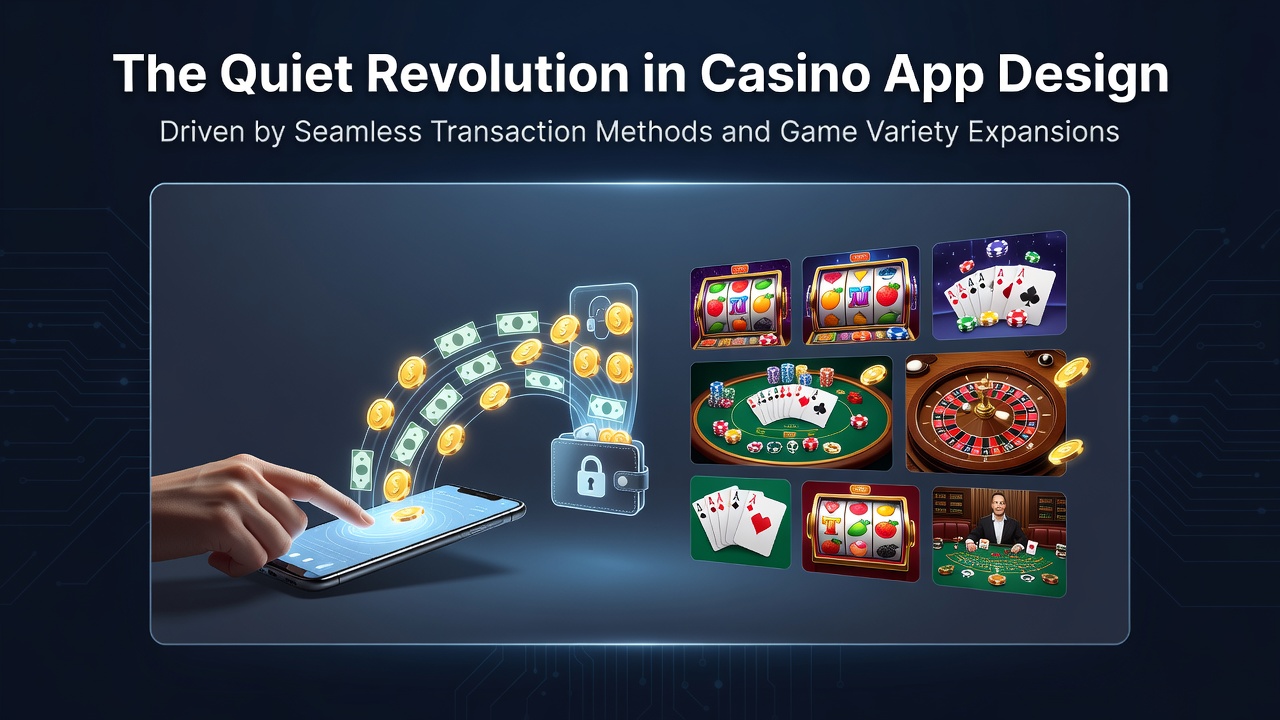
Quiet Shifts in Casino App Architecture Powered by Frictionless Payments and Expanded Content Libraries
Developers have steadily refined casino applications over recent years, focusing on payment systems that process deposits and withdrawals without delays while simultaneously broadening the selection of available games. These adjustments respond to user patterns observed across multiple markets where players seek quicker access to funds and greater choice in gameplay formats. Data compiled by industry monitoring groups shows transaction completion times dropping from several minutes to under thirty seconds in many platforms during 2025, with further refinements projected through June 2026 when several operators plan synchronized updates across regions.
Payment Systems Streamline User Interactions
Operators now integrate multiple wallet solutions directly into application code, allowing transfers via established services alongside emerging cryptocurrency options. This approach reduces the steps required to fund accounts and claim winnings, connecting balance updates to gameplay without separate verification screens in many cases. Figures from the European Gaming and Betting Association indicate that applications featuring native wallet support recorded higher session durations compared to those relying on external redirects, with average play time increasing by eighteen percent in tracked markets.
Security protocols have advanced in tandem, incorporating biometric authentication and tokenized data exchanges that maintain compliance with varying regional standards. Observers note that these layered protections coincide with expanded game libraries because developers allocate resources saved from simplified transaction flows toward content creation rather than backend maintenance. In June 2026 several North American platforms intend to roll out unified payment dashboards that display real-time conversion rates for multiple currencies, further minimizing friction during cross-border play.
Game Libraries Grow Through Hybrid Formats
Alongside transaction improvements, applications now host wider arrays of titles that blend traditional slot mechanics with live dealer elements and progressive jackpot networks. Providers such as those supplying content to international operators have released modular game engines that permit rapid addition of new themes without full application rebuilds. Research published by the University of Nevada's International Gaming Institute highlights that libraries exceeding five thousand titles correlate with retention rates twenty-two percent above smaller catalogs when payment speed remains consistent.
Users encounter these expansions through categorized browsing tools and personalized recommendation engines that analyze past selections while suggesting adjacent genres. Live casino sections within applications have incorporated additional camera angles and multi-table participation features, allowing simultaneous engagement across roulette, blackjack, and baccarat streams. The combination supports extended sessions because seamless funding keeps balances available without interrupting play cycles.
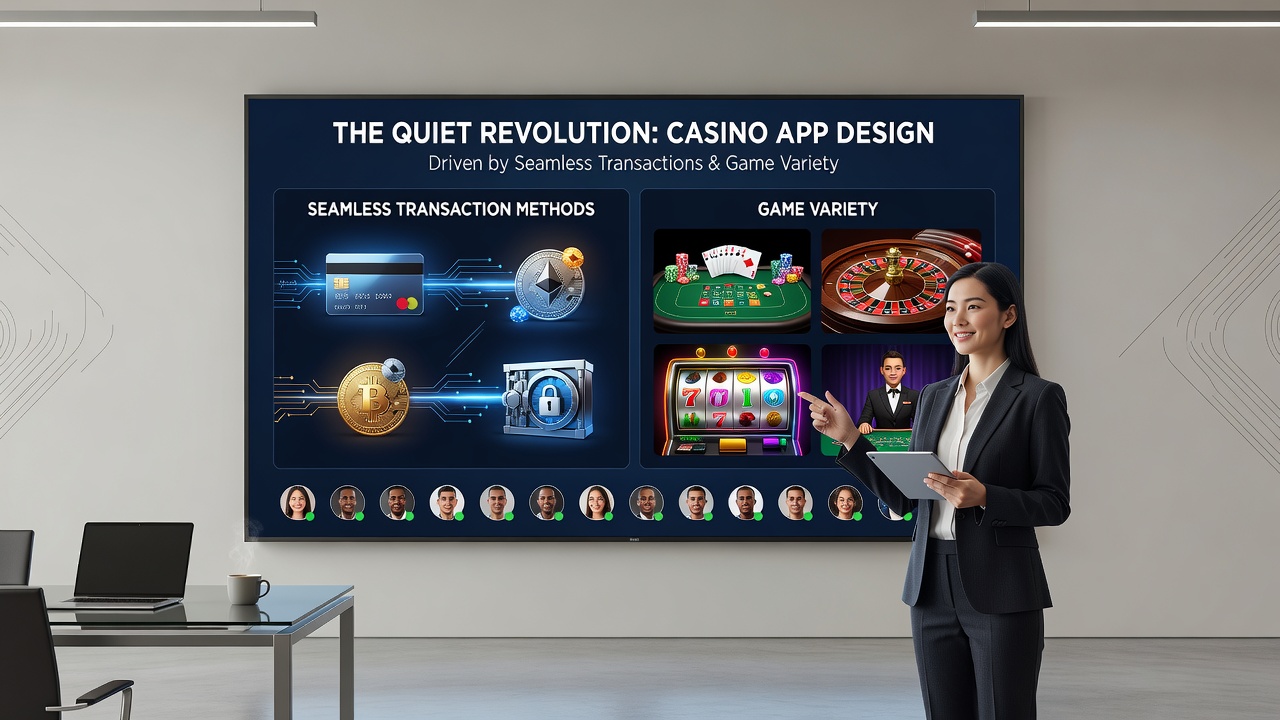
Regional Adaptations Reflect Local Preferences
Applications distributed in Asia-Pacific territories emphasize rapid micro-transactions suited to shorter play intervals, whereas European versions prioritize extensive live dealer catalogs alongside instant withdrawal options. Canadian operators have documented similar patterns, with provincial data revealing that integrated payment and game variety updates produced measurable increases in active user bases during the first half of 2025. These geographic distinctions guide development teams when allocating server resources and licensing agreements for new titles.
Analytics platforms used by developers track how payment method availability influences game selection, revealing that users who complete deposits via cryptocurrency options often gravitate toward higher-volatility slots and multiplier features. Conversely, those relying on traditional card or wallet methods show broader distribution across table games and casual formats. Such correlations inform decisions about promotional structures and content rotation schedules planned for mid-2026.
Technical Foundations Support Continued Growth
Cloud-based rendering and edge computing now handle graphics-intensive live streams and complex bonus rounds without draining device batteries excessively. Application frameworks allow background synchronization of new game assets during idle periods, ensuring fresh content appears immediately upon launch. Partnerships between payment processors and game aggregators have produced standardized APIs that accelerate integration timelines from weeks to days, enabling smaller studios to contribute titles more readily.
Testing protocols conducted by independent laboratories confirm that these architectural changes maintain performance benchmarks even as library sizes increase. Metrics collected through June 2026 will likely establish baseline comparisons for future iterations, particularly as regulatory bodies in multiple jurisdictions review operator compliance with updated technical standards. The result is a development cycle where transaction reliability and content diversity advance in parallel rather than as isolated initiatives.
Conclusion
Applications continue evolving through incremental refinements that link efficient payment pathways with broader game selections. Industry reports and academic studies document measurable shifts in user engagement metrics tied to these dual advancements. As operators prepare updates scheduled around June 2026, the underlying architecture points toward further consolidation of these elements across global markets.