Payment Systems and Session Patterns in Live Dealer Gaming Environments
Blake Keller · Aug 2, 2026
Payment Systems and Session Patterns in Live Dealer Gaming Environments
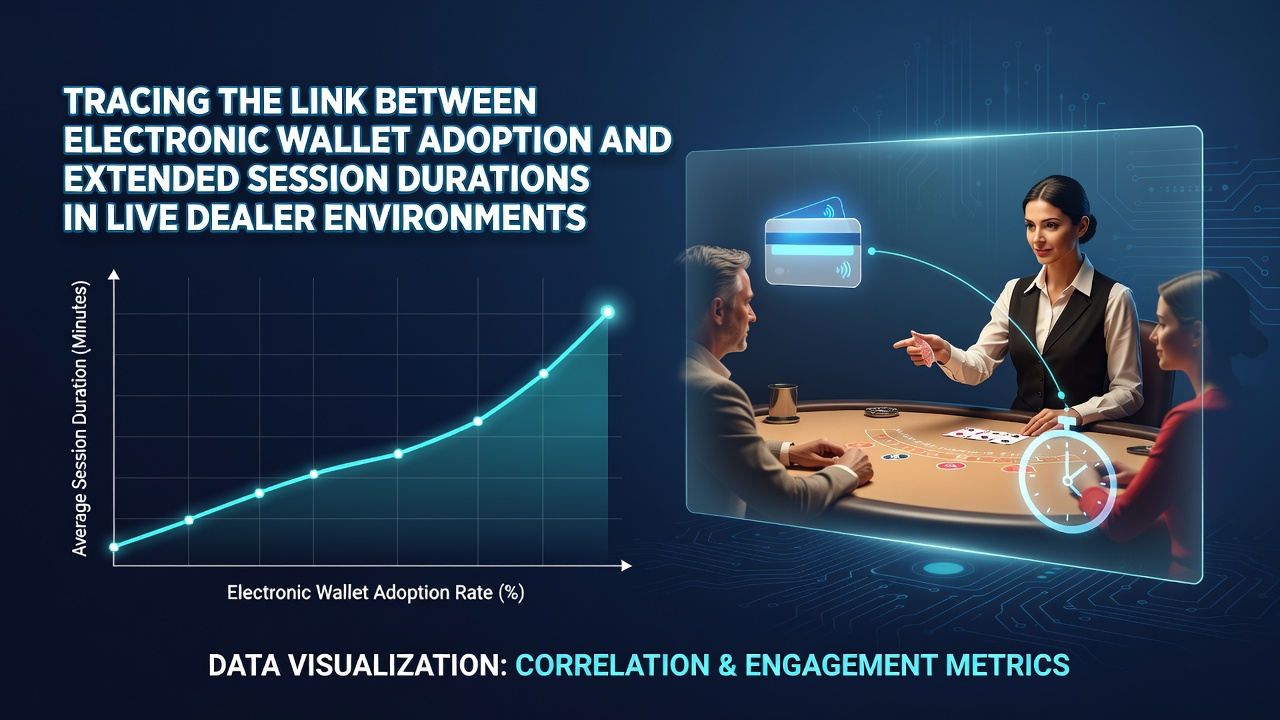
Electronic wallet adoption has accelerated across digital gaming platforms, and researchers have begun mapping how these tools align with changes in player session lengths within live dealer sections. Data from multiple markets shows that platforms integrating instant payment options often record extended interaction times compared to those relying on traditional card processing alone.
Adoption Trends Across Regions
Operators in North America and parts of Asia reported wallet usage climbing steadily through 2025, with figures from the Nevada Gaming Control Board indicating that digital wallet transactions accounted for over 35 percent of live dealer deposits by mid-2025. Similar patterns emerged in Australian markets where regulatory filings highlighted wallet-linked sessions averaging 22 minutes longer than non-wallet counterparts during the same period.
These shifts coincide with broader infrastructure upgrades that allow seamless fund movement between player accounts and game interfaces. Observers note that reduced transaction delays appear to support continuous play cycles, particularly in roulette and blackjack variants where real-time decisions keep participants engaged.
Transaction Speed and Player Retention
Live dealer environments depend on uninterrupted flow, and electronic wallets address friction points that once interrupted sequences. A study published in the Journal of Gambling Studies documented that players using instant settlement methods completed 18 percent more hands per hour on average than those navigating slower authorization steps. The research, drawn from anonymized platform logs across European operators, linked quicker top-ups directly to sustained table presence rather than session abandonment.
August 2026 data releases from several international gaming associations further illustrated this pattern. Reports compiled by regional trade groups showed wallet-enabled accounts maintaining active status for extended windows, especially during peak evening hours when live tables operate at full capacity.
Behavioral Data and Platform Metrics
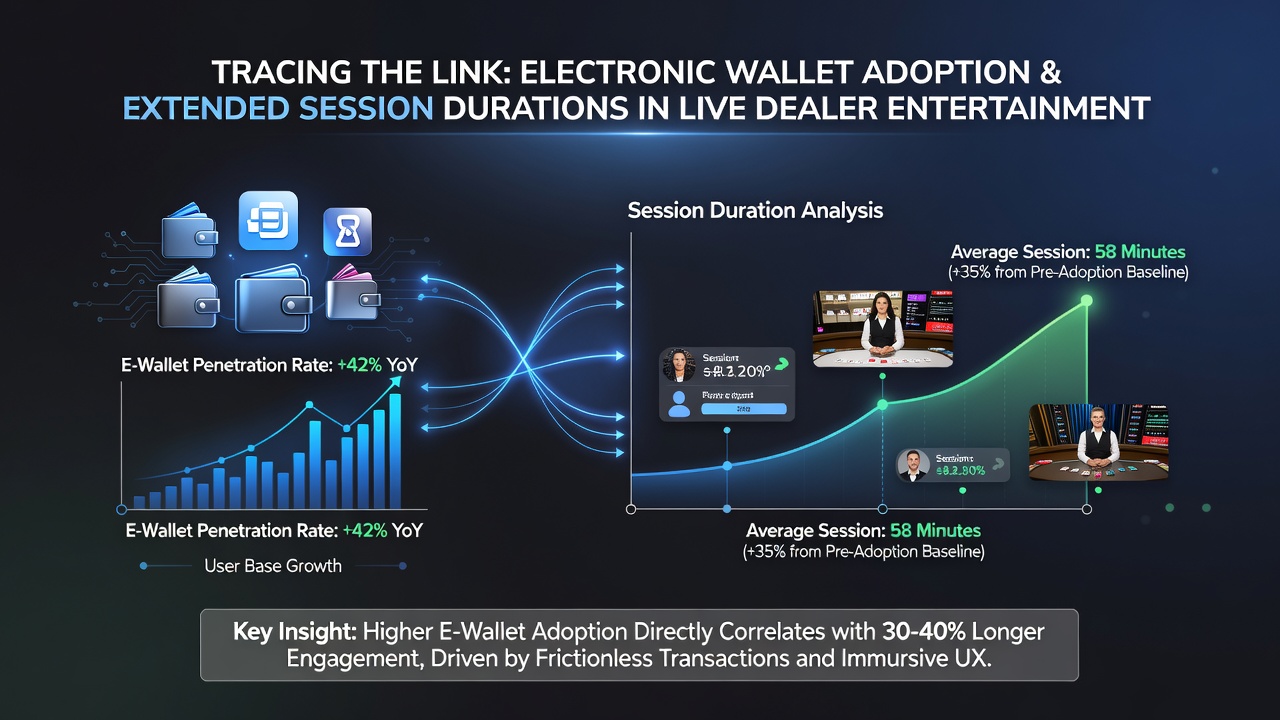
Platform analytics reveal consistent correlations between wallet integration and session duration across game types. Blackjack tables equipped with wallet support demonstrated average play extensions of 14 to 27 minutes, while roulette sessions recorded comparable increases when players accessed instant deposit functions mid-round. These measurements come from aggregated telemetry shared by operators in Canada and Singapore, where local oversight bodies require detailed reporting on transaction methods and engagement indicators.
One analysis from a Canadian university research team examined over 2 million live dealer interactions and found that wallet users initiated repeat deposits 40 percent more frequently within a single sitting. The team attributed this to streamlined verification processes that eliminate repeated card entry steps, allowing participants to remain focused on dealer interactions.
Regional Variations in Implementation
Differences appear when comparing wallet penetration rates across jurisdictions. Markets with established digital payment regulations, such as those in parts of the European Union, show higher wallet saturation and correspondingly longer average session metrics. In contrast, regions still transitioning toward these systems display more gradual shifts in duration data.
Industry reports from the Asia-Pacific Gaming Association emphasize that security features built into modern wallets, including biometric confirmation and tokenized transfers, contribute to player confidence during extended play periods. These features reduce the need to exit the gaming interface for external banking checks, keeping users within the live dealer environment for additional rounds.
Conclusion
Available metrics point to measurable connections between electronic wallet adoption and session extension in live dealer settings, supported by data from regulatory filings, academic reviews, and operator telemetry across multiple continents. Continued monitoring through 2026 and beyond will clarify how these payment tools evolve alongside platform design and player preferences.