Payment Evolution Reshaping Rewards in Portable Slot and Table Hybrids
Blake Hartmann · Jun 19, 2026
Payment Evolution Reshaping Rewards in Portable Slot and Table Hybrids
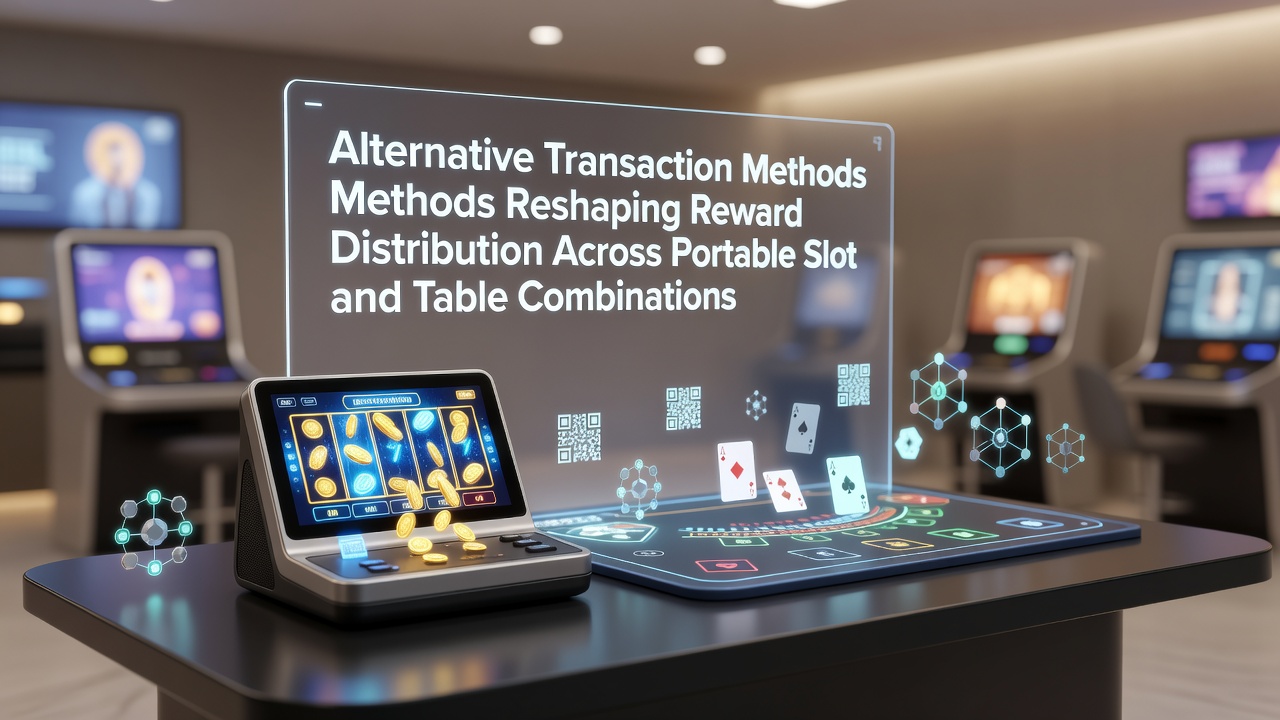
Alternative transaction methods continue to influence how rewards reach players across mobile slot and table game combinations, with payment platforms integrating directly into game mechanics and bonus allocation systems. Observers note that e-wallets, cryptocurrency transfers, and contactless options now handle reward distribution in ways that differ from traditional banking routes, allowing operators to adjust payout timings and eligibility criteria based on transaction type.
Integration Patterns Across Mobile Platforms
Research from the Canadian Gaming Association indicates that platforms using instant settlement features often route rewards through digital wallets at the moment of trigger events, whether those events occur in slot reels or live dealer table rounds. This setup creates seamless flows where a player completing a slot bonus round can see funds appear in an associated wallet account within seconds, while similar mechanics apply when table game multipliers activate. Data shows these methods reduce processing layers and support hybrid formats where slots transition into table elements without separate login or funding steps.
Industry reports further reveal that operators deploy these systems to segment reward pools, assigning certain bonus types exclusively to users who fund accounts via specific alternative channels. In June 2026, aggregated platform analytics highlighted increased reward frequency in hybrid titles that combine spinning mechanics with card-based table play, particularly when transactions occur through integrated mobile payment applications.
Mechanics of Reward Allocation in Slots
Slot games on portable devices incorporate transaction data into their random number generator frameworks and bonus trigger conditions, enabling dynamic adjustments. For instance, a player using cryptocurrency deposits might unlock accelerated free spin sequences or enhanced multiplier tables that differ from those available through conventional methods. Studies from the National Council on Problem Gambling in the United States document how these integrations maintain transparency through on-screen ledgers that track both wagers and reward origins in real time.
Hybrid combinations extend this further, where slot outcomes feed directly into table game bonuses. A sequence of consecutive wins on a mobile slot can trigger a live roulette multiplier, with the reward value calculated and disbursed according to the initial transaction method used for the session. This creates interconnected reward paths that span both game categories without requiring users to navigate separate interfaces.
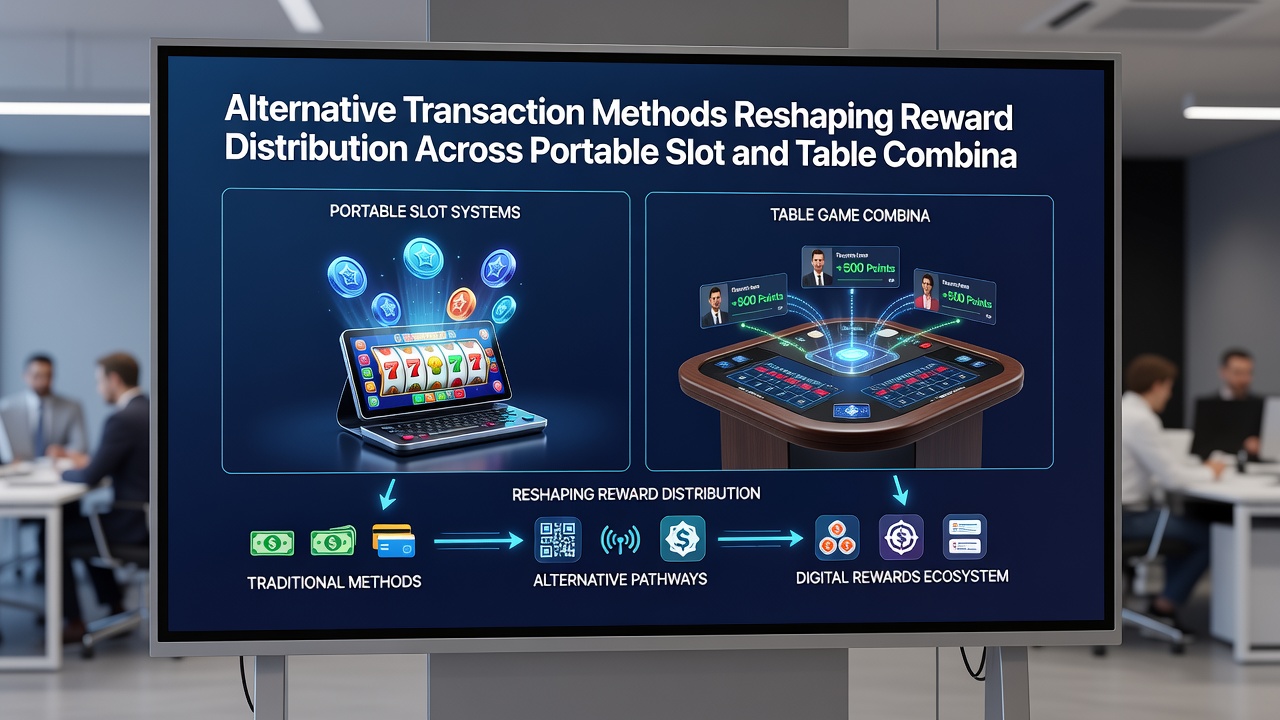
Table Game Adjustments and Hybrid Flows
Table game implementations follow parallel developments, with dealers or automated systems recognizing the payment source to determine bonus eligibility. Blackjack and roulette variants now embed wallet-based cashback structures that activate after specific hand volumes or wheel spins, while hybrid titles merge these with slot progressions. A single session might begin with a slot round funded by an e-wallet, progress into a table segment, and conclude with rewards split across both formats based on transaction velocity and amount.
European Gaming and Betting Association figures illustrate rising adoption rates for such combined environments, where reward distribution algorithms factor in the speed and verification level of alternative payments. Faster methods receive priority in some allocation models, resulting in earlier access to promotional rounds that blend slot multipliers with table game side bets.
Regulatory and Technical Considerations
Technical standards require operators to log transaction origins alongside game results to ensure compliance across jurisdictions. This logging supports audit trails that verify reward calculations remain consistent regardless of payment channel, yet still permit differentiation in promotional structures. Canadian Gaming Association reports emphasize the role of these logs in maintaining system integrity when rewards cross between slot and table environments on the same device.
Additional data from the Australian Institute of Criminology highlights how these payment integrations affect player session lengths in hybrid formats, with measurable differences in reward redemption patterns tied to transaction method. Systems must accommodate varying regulatory requirements on payout verification while preserving the fluidity that defines mobile play.
Conclusion
Alternative transaction methods continue to embed themselves into the reward infrastructure of portable slot and table combinations, producing measurable shifts in distribution timing, eligibility, and cross-game connectivity. Platform data through June 2026 demonstrates sustained growth in these integrations, supported by technical frameworks that link payment verification directly to game outcome processing. Observers tracking these developments point to ongoing refinements in how rewards flow across hybrid formats, driven by the capabilities of current digital payment ecosystems.