Multiplier Dynamics in Mobile Hybrid Casino Formats
Paul Bennett · May 24, 2026
Multiplier Dynamics in Mobile Hybrid Casino Formats
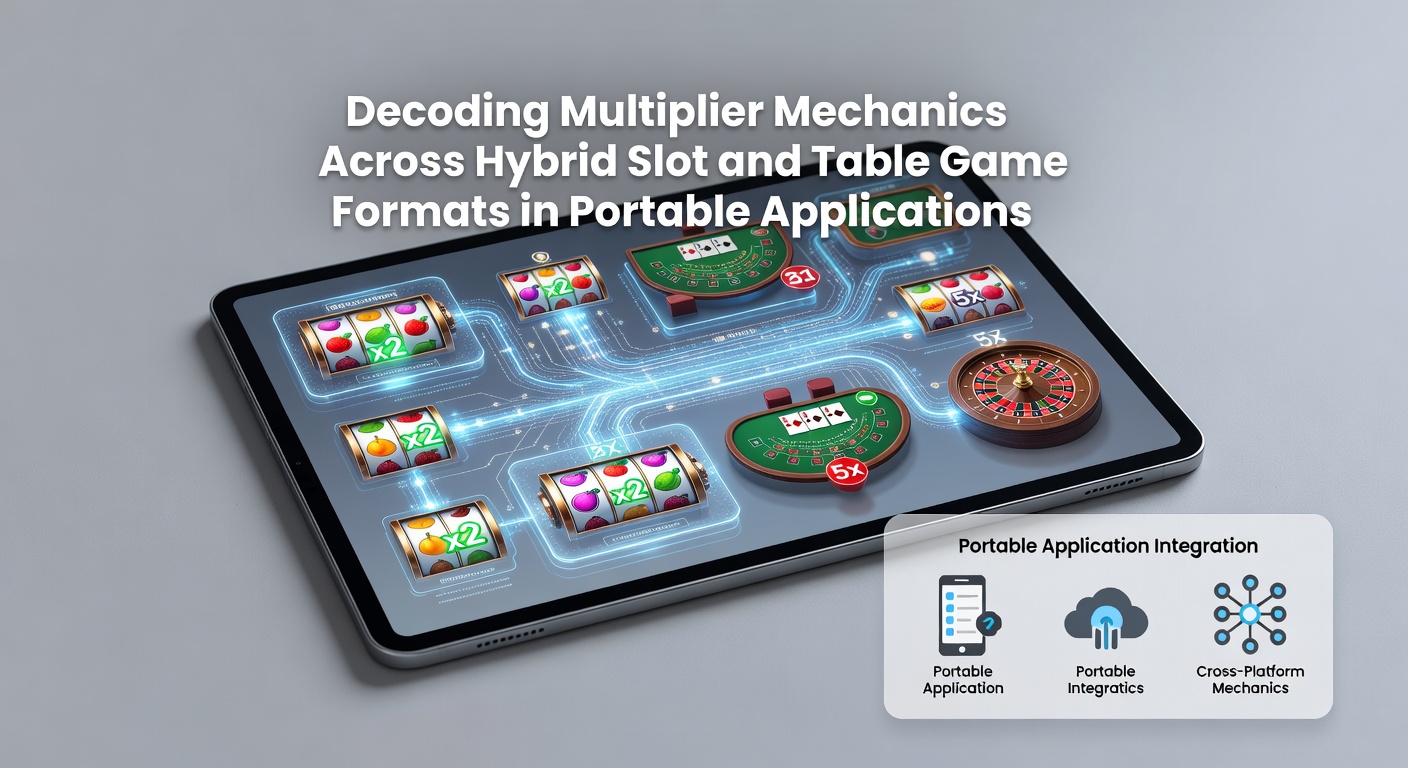
Hybrid casino applications on portable devices combine slot reel mechanics with table game structures, and multipliers serve as the core element that scales payouts across both formats. These systems activate through specific triggers such as consecutive wins, bonus round entries, or side wager resolutions, and developers integrate them into single interfaces that users access via smartphones and tablets.
Slot Component Multipliers in Hybrid Setups
Slot segments within hybrids often rely on wild symbol multipliers that double or triple base line wins when they substitute for standard icons, while stacked versions apply the same factor across multiple reels simultaneously. Progressive multipliers build through chains of cascading symbols, and each successive drop increases the applied factor until the sequence ends or a reset condition occurs. Research from teh University of Nevada indicates that these layered systems appear in over 60 percent of hybrid titles released since 2023, with mobile optimization focusing on touch-based activation that registers multiplier selections without additional taps.
Free spin rounds in the slot portion introduce multiplier collectors that accumulate values from scattered symbols, and the total applies to every spin outcome within the feature. Observers note that portable formats adjust these values dynamically based on device screen size, ensuring the displayed multiplier remains legible during rapid reel spins.
Table Game Multiplier Variants
Table game elements integrated into the same application apply multipliers through side bet resolutions or progressive jackpot qualifiers, where blackjack insurance bets or roulette neighbor wagers carry their own scaling factors. In hybrid blackjack variants, a successful side bet on suited pairs multiplies the main hand payout by the listed factor, and live dealer feeds stream these results directly to the mobile screen. Data from the Nevada Gaming Control Board shows side bet multiplier frequency increased by 18 percent in remote play logs during the first quarter of 2025, reflecting broader adoption in cross-format titles.
Wheel-based table segments add random multipliers that land on segments adjacent to standard outcomes, and the wheel spin occurs after the primary card or ball resolution completes. This sequencing maintains the table game pace while layering slot-style escalation onto the final payout calculation.
Hybrid Integration Patterns on Portable Platforms
Developers merge the two formats by routing multiplier values from slot cascades into table side bets within the same session, and the accumulated factor carries over when users switch between reel and card views without restarting the application. Touch gestures allow selection of multiplier-enhanced bets on either side of the interface, and backend servers track the running total across both game modes. One developer case study revealed that sessions incorporating carried multipliers extended average play duration by 22 minutes compared with isolated format play.
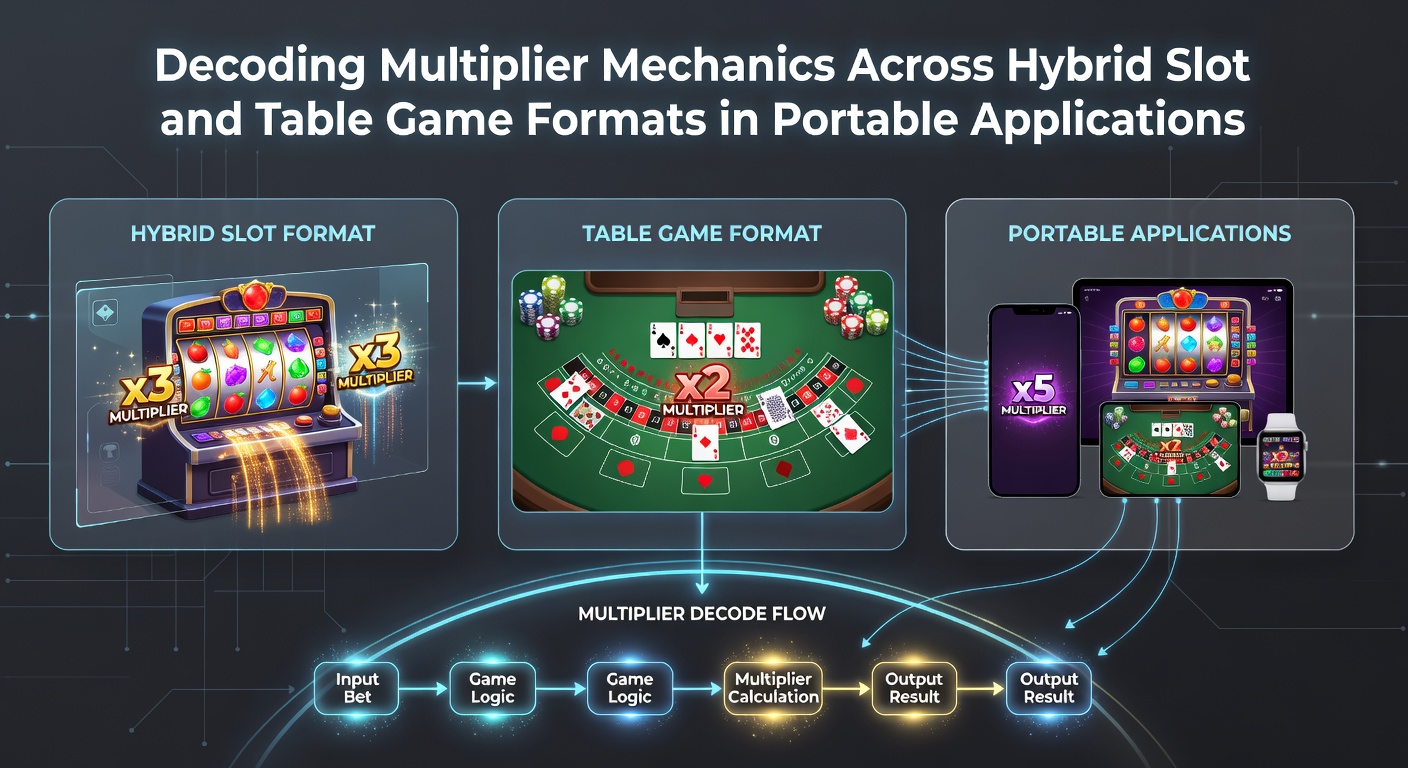
Application updates scheduled for May 2026 introduce unified multiplier meters that display combined values from both slot and table segments in a single persistent bar, and regulatory filings in multiple jurisdictions confirm these meters must update in real time to comply with transparency standards. The change aligns with broader industry shifts toward seamless format transitions on handheld devices.
Technical Implementation Across Device Types
Portable applications handle multiplier calculations through client-side scripts that sync with server verification, and this dual approach prevents discrepancies during network interruptions. iOS and Android versions apply identical multiplier tables yet adjust animation speeds to match device processing capabilities, ensuring consistent payout scaling regardless of hardware. Industry reports from the Canadian Gaming Association highlight that optimization testing for hybrid titles now includes dedicated multiplier stress tests covering up to 50x factors applied across 100 consecutive outcomes.
Encryption protocols protect multiplier seed values during transmission, and audit logs record every multiplier trigger for compliance review. These measures support the growing volume of hybrid play recorded on mobile networks, where session data shows multipliers contributing to 35 percent of total payout volume in cross-format titles.
Conclusion
Multiplier mechanics in hybrid slot and table formats on portable applications continue to evolve through combined trigger systems and carried values, with implementation details shaped by device constraints and regulatory requirements. Data from multiple oversight bodies and academic tracking confirm steady growth in these integrated features, and scheduled platform updates maintain alignment with user interface standards across operating systems.