Loyalty Tier Structures Alter Reward Distribution Patterns in Cross-Platform Table Game Environments
Paul Bennett · Aug 9, 2026
Loyalty Tier Structures Alter Reward Distribution Patterns in Cross-Platform Table Game Environments
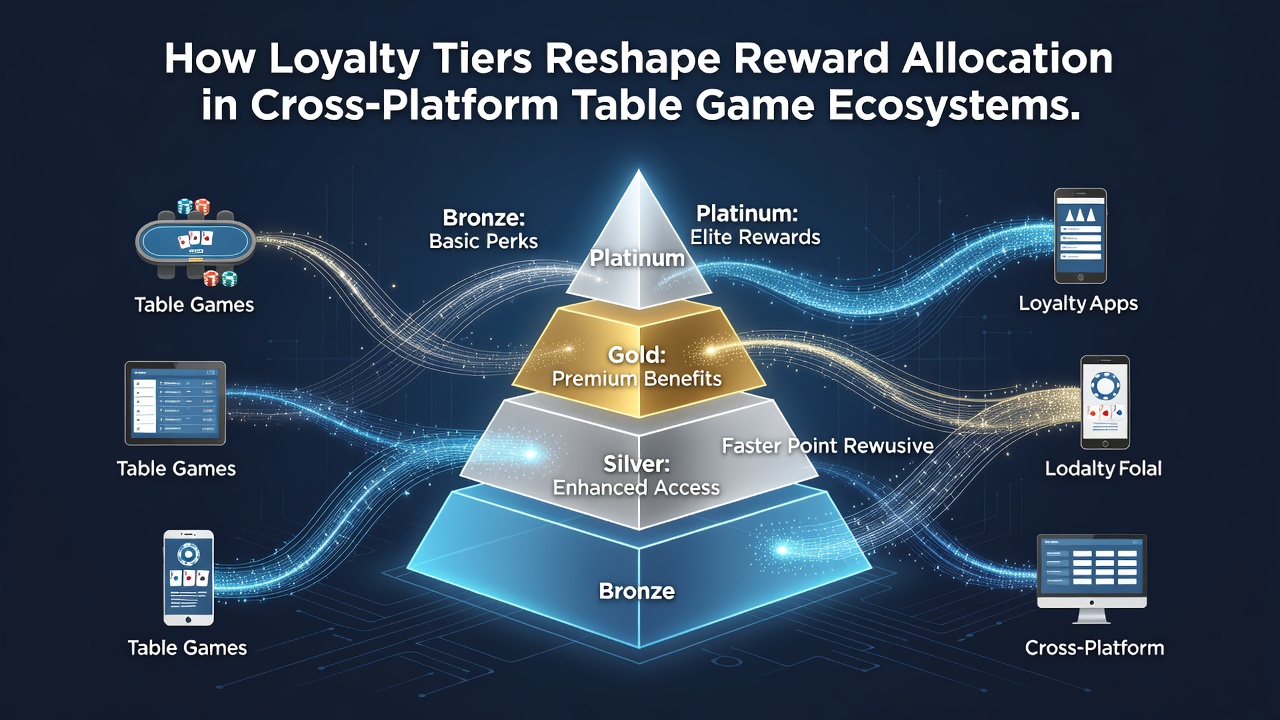
Operators across digital gaming sectors have expanded loyalty tier frameworks to coordinate reward distribution among table game formats that operate simultaneously on mobile applications, desktop interfaces, and live dealer environments, and this coordination has produced measurable changes in how points convert to cashback, free play credits, and exclusive event access. Data from multiple regulatory filings indicate that tier advancement now triggers automated reallocation rules which prioritize higher-volume players while adjusting payout frequencies for mid-tier accounts based on cross-device activity logs.
Platform Integration and Tier Mechanics
Table game ecosystems that span several platforms track player behavior through unified account identifiers, which means a single session of roulette on a mobile app contributes to the same tier progress as an equivalent session on a desktop blackjack table, yet the allocation formulas differ according to the tier achieved at the moment of play. Industry reports show that entry-level tiers receive baseline reward rates of one point per dollar wagered, while top-tier accounts receive multipliers that range from 1.8 to 3.2 times that baseline, with the multiplier applied retroactively to the preceding thirty days of activity once the new tier is unlocked.
Allocation Algorithms and Table Game Specifics
Allocation engines apply distinct coefficients to different table games because roulette and baccarat generate higher handle volumes than poker variants in many markets, so the systems weight contributions accordingly when determining monthly reward pools. Observers note that blackjack sessions completed on live dealer streams often receive an additional platform multiplier because these sessions combine real-time interaction data with automated bet tracking, which increases the data points available for tier evaluation. In August 2026 several North American operators adjusted their coefficient tables after internal audits revealed that mobile-only players were advancing tiers more slowly than multi-device users despite similar wager totals.
Those adjustments led to revised rules that now count concurrent sessions across devices as single continuous play periods, thereby preventing duplicate point inflation while still recognizing the engagement level demonstrated by players who switch platforms mid-session.
Regional Regulatory Influences on Tier Design
Regulatory bodies in different jurisdictions have begun requiring transparency reports that detail how tier benefits distribute across player segments, and these requirements have prompted operators to publish aggregate allocation statistics rather than individual account data. According to documents released by the Nevada Gaming Control Board, tiered reward programs operating in licensed online environments must now separate cashback percentages by game category so that table game rewards remain distinguishable from slot-based allocations. Similar disclosure rules have appeared in Australian state licensing conditions, where authorities request quarterly summaries that show the percentage of total reward value awarded to each loyalty tier.
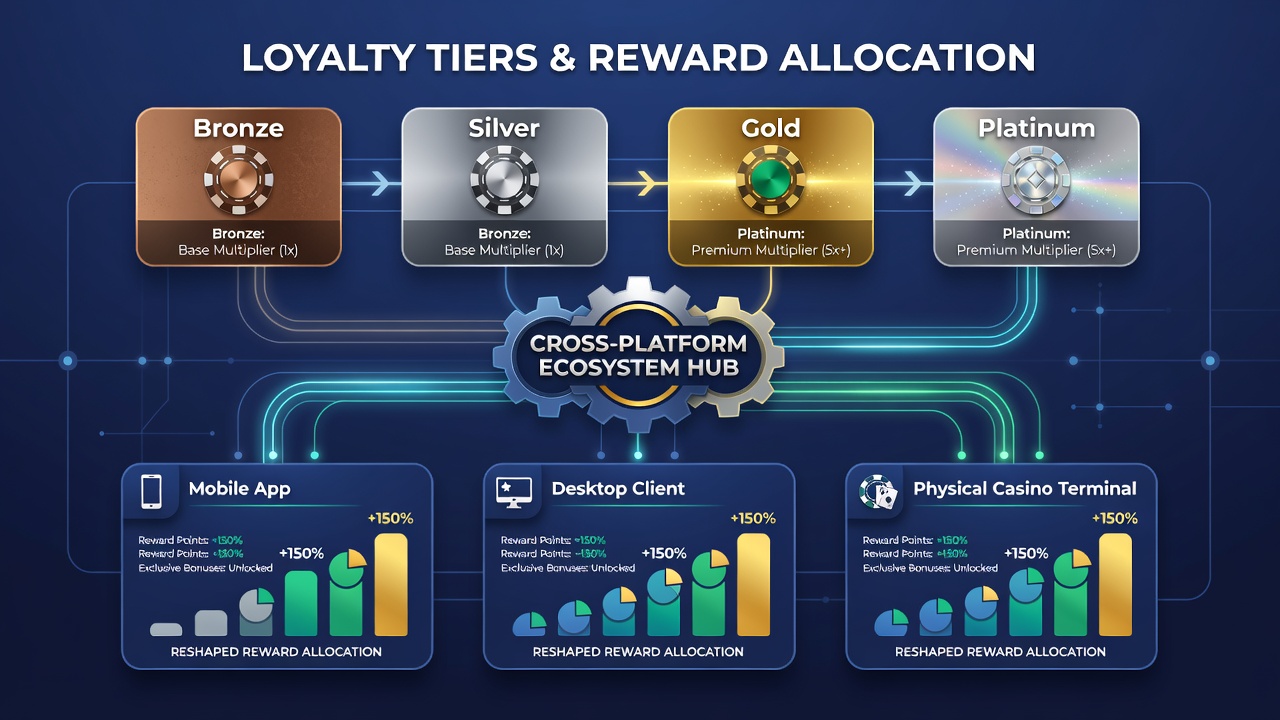
Researchers at the University of Nevada, Las Vegas have examined anonymized transaction datasets and found that players who maintain activity on at least two platforms reach higher tiers 37 percent faster than single-platform users, which in turn concentrates a larger share of monthly reward budgets among multi-device participants. The study also recorded that reward redemption rates for table game credits increase when those credits carry no expiration date, a feature now standard in top-tier packages offered by several major operators.
Player Behavior Patterns and Reward Utilization
Behavior tracking systems record that top-tier players redeem rewards more frequently for live dealer table game entry credits than for standard slot bonuses, while mid-tier accounts show higher redemption rates for cashback applied directly to bankrolls. These patterns have encouraged operators to introduce tier-specific table game promotions that activate only after a player logs a minimum number of hands on both mobile and desktop versions within the same calendar week.
Cross-platform ecosystems therefore function as integrated environments where loyalty tier status determines not only the size of rewards but also the types of table game experiences those rewards unlock, and the resulting allocation model continues to evolve in response to both player migration data and regulatory reporting mandates.
Conclusion
The expansion of tiered loyalty programs within cross-platform table game networks has produced structured changes in reward allocation that operators, regulators, and researchers continue to monitor through transaction analysis and compliance filings. As platform integration deepens, the formulas that convert play activity into tier benefits remain subject to ongoing refinement based on observed usage patterns and jurisdictional requirements.