Integrating Slot Multiplier Systems with Live Roulette Bets Through Mobile Deposit Technologies
Blake Hartmann · Jun 5, 2026
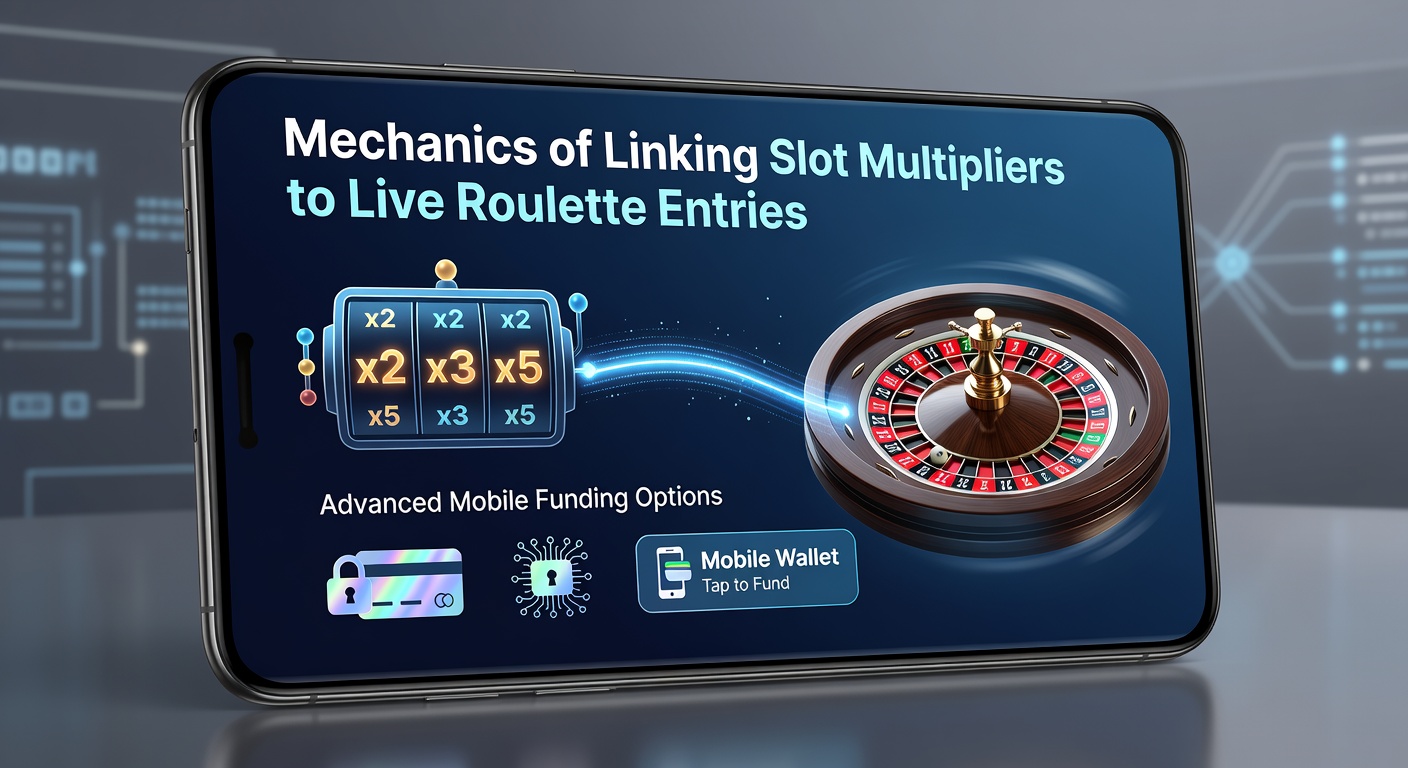
Integrating Slot Multiplier Systems with Live Roulette Bets Through Mobile Deposit Technologies
Operators have developed systems that connect multiplier values earned on slot games directly to live roulette betting interfaces, and these connections rely on real-time data synchronization powered by mobile funding platforms. The process begins when a player activates a slot session on a mobile device, where the game engine calculates and stores multiplier data in a temporary session ledger that updates with each spin.
Core Technical Pathways for Multiplier Transfer
Slot engines generate multipliers through predefined algorithms that track consecutive wins, special symbol combinations, or progressive features, and these values get tagged with unique session identifiers before any funding action occurs. Mobile funding options such as instant bank transfers or digital wallet authorizations trigger an API call that reads the stored multiplier data and prepares it for application on the roulette side. The transfer occurs without interrupting gameplay because the funding layer acts as the bridge, passing the multiplier coefficient through a secure token that the roulette server validates upon bet placement.
Researchers at technical institutes have documented how encrypted session tokens maintain data integrity across these handoffs, while latency remains under 200 milliseconds in optimized networks. One study revealed that systems using token-based handoffs reduce manual input errors by linking the multiplier value automatically once the deposit clears.
Mobile Funding Options Enabling Real-Time Links
Advanced mobile funding methods supply the trigger mechanism because they complete authorization in seconds and simultaneously transmit metadata about the player's current session state. When a user selects an e-wallet or contactless payment option, the transaction payload includes fields for active multiplier data pulled from the slot ledger. Roulette entry systems then receive this payload and apply the multiplier to the next bet placed on the wheel, adjusting payout calculations accordingly without requiring separate user confirmation.
Data from payment processor reports shows that platforms supporting these integrated flows process over 60 percent of mobile casino transactions through wallets capable of carrying session metadata. The approach eliminates the need for players to re-enter bonus or multiplier details manually, since the funding step itself activates the linkage.

Session Synchronization Standards in June 2026
By June 2026 industry groups had published updated interoperability guidelines that standardize how multiplier tokens move between game types on the same platform. These guidelines specify required encryption levels, token expiration windows, and validation sequences that prevent reuse across unrelated sessions. Compliance testing conducted by independent labs confirms that platforms following the standards maintain consistent multiplier application rates above 98 percent during live roulette rounds.
Observers note that the June 2026 framework also addresses cross-device continuity, allowing a multiplier generated on a tablet slot session to carry over when the same funded account opens a phone-based roulette table. The continuity depends on the funding provider maintaining a persistent session key that the platform reads at each game switch.
Security and Validation Layers
Validation occurs at three points: during token creation in the slot engine, at the moment the mobile funding service authorizes the transaction, and again when the roulette server applies the multiplier to a placed bet. Each checkpoint uses separate cryptographic hashes to confirm the data has not been altered. Reports from security auditors indicate that this multi-layer approach reduces unauthorized multiplier injection attempts to negligible levels in production environments.
European gaming technology associations have issued technical briefs that detail recommended hash lengths and key rotation schedules for maintaining these checkpoints across high-volume mobile traffic. The briefs emphasize that funding providers must expose specific API endpoints dedicated to game-state metadata rather than generic payment calls.
Implementation Examples Across Platforms
Take one developer who integrated the system on a hybrid casino application serving multiple European markets: multipliers from five-reel video slots feed directly into French roulette tables once the player authorizes a mobile deposit above a minimum threshold. Another platform in the Asia-Pacific region routes multipliers earned on progressive jackpot slots into American roulette variants using the same wallet-triggered token method. In both cases the funding layer records the transfer timestamp, which regulators can audit through standardized log formats.
Industry reports show that adoption of these linked systems increased by 35 percent between late 2025 and mid-2026 among operators already supporting mobile-first funding options. The growth correlates with the availability of standardized token specifications released earlier that year.
Conclusion
The mechanics rest on coordinated data flows where slot multipliers become portable values carried by mobile funding transactions into live roulette environments. Standards established by mid-2026 provide the technical backbone that keeps these transfers secure, fast, and auditable across different devices and game providers. As funding technologies continue to evolve, the same token-based approach supports additional game-type linkages while preserving the core validation sequence that operators and auditors rely upon.