Flash Promotions and Timer Mechanics Powering Player Retention in Mobile Roulette Apps
Tina Reed · Jun 14, 2026
Flash Promotions and Timer Mechanics Powering Player Retention in Mobile Roulette Apps
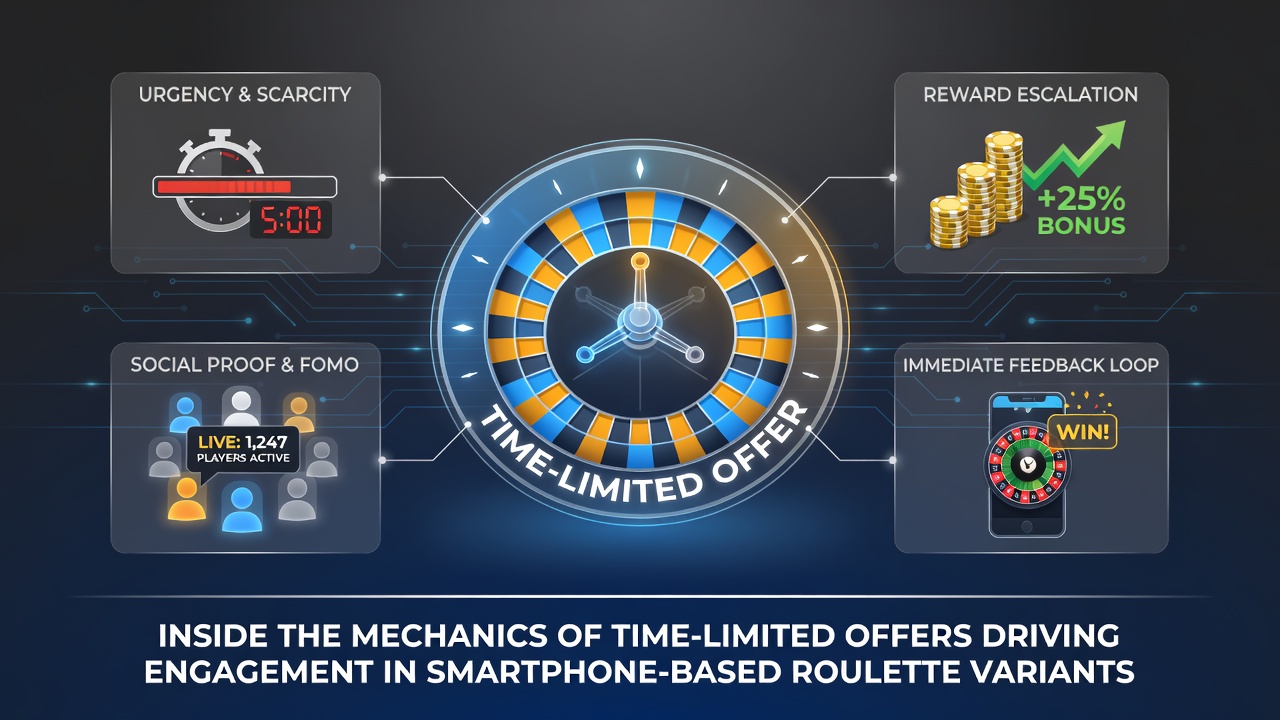
Time-limited offers operate through structured countdown systems embedded directly into smartphone roulette applications, where digital timers trigger immediate user responses by displaying remaining minutes or hours before bonuses expire. These mechanics rely on push notifications that alert players to expiring multipliers or free spin allocations tied to specific wheel variants, creating sequences of rapid decision-making within the app environment. Research from behavioral studies indicates that such timers align with established patterns of urgency response documented across digital platforms, leading to measurable increases in session initiations during active promotion windows.
Core Components of Timer Integration
Developers program these offers using server-side clocks that synchronize with device notifications, ensuring the countdown remains consistent regardless of whether users remain in the app or switch between screens. In roulette variants designed for mobile, the timer often appears as an overlay on the betting interface, counting down while players place chips on numbers or colors, and it resets only upon completing the required actions such as placing a minimum bet amount. Data collected from app analytics platforms shows that sessions initiated within the final 30 minutes of an offer window tend to extend longer than average, as participants adjust strategies to maximize the remaining promotional value before expiration.
Notification frequency increases as deadlines approach, with algorithms sending reminders at intervals of 60 minutes, then 15 minutes, and finally five minutes prior to cutoff. This graduated alert system connects to in-app wallet features, allowing instant redemption of time-sensitive credits without requiring users to navigate away from the roulette table view. Observers note that integration with device calendars sometimes occurs, adding the promotion end time as an event that users can reference outside the application itself.
Player Interaction Patterns During Active Windows
Engagement metrics tracked across multiple mobile roulette titles reveal spikes in login rates coinciding with the launch of new limited offers, particularly those offering stacked multipliers on even-money bets. Players frequently alternate between quick spin modes and detailed betting screens during these periods, testing different chip denominations to explore how the temporary bonus applies across various wheel configurations. One documented case involved a European app operator that recorded a 47 percent rise in daily active users when a 90-minute flash promotion coincided with weekend evening hours.
Those who study app usage patterns have observed that repeat engagement rises when offers include progressive elements, such as extending the timer through consecutive wins on specific roulette numbers. The mechanics encourage continued play because each successful outcome adds incremental time rather than resetting the clock entirely, maintaining momentum through chained rewards. Figures from industry reports released in early 2026 highlight similar trends in North American markets, where regulatory frameworks in states like New Jersey permit such timed incentives under controlled conditions.
Technical Delivery Across Device Ecosystems
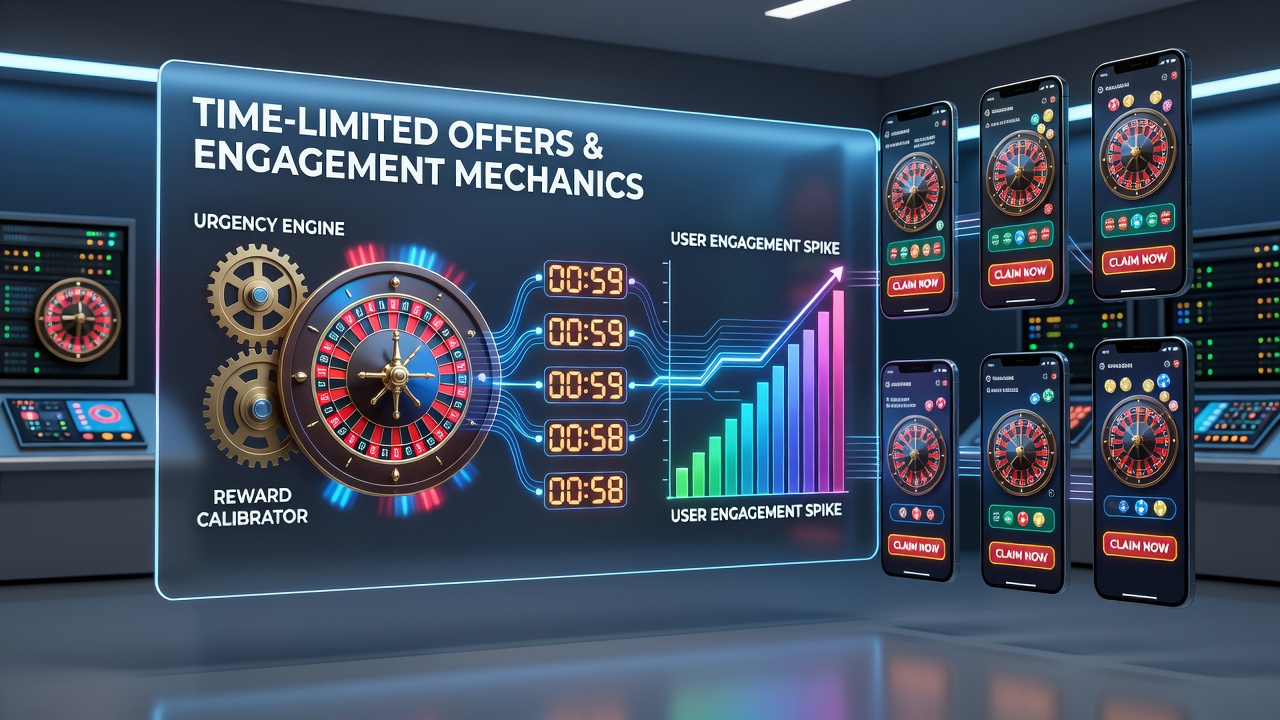
Smartphone-based roulette applications deploy these offers through both iOS and Android frameworks, utilizing background fetch capabilities to update timer status even when the app runs minimized. Cross-platform consistency ensures that an offer started on one device appears synchronized when a user switches to another, preserving the remaining duration and any accumulated bonus progress. Developers incorporate A/B testing on notification phrasing, comparing direct statements like "offer ends soon" against more specific countdown displays to determine which format sustains higher return rates.
June 2026 saw several app updates across providers that refined these systems by adding visual progress bars alongside numerical timers, allowing players to gauge remaining opportunity at a glance without parsing exact minutes. Such refinements connect to broader accessibility features, including voice announcements of timer status for users who prefer audio cues during play sessions. Evidence from aggregated app store data indicates that versions incorporating these visual aids experienced fewer instances of users abandoning sessions mid-promotion compared to earlier builds.
Comparative Analysis With Standard Bonus Structures
Unlike perpetual welcome bonuses that remain available indefinitely, time-limited offers in mobile roulette create defined activity clusters where participation concentrates within narrow timeframes. This concentration allows operators to allocate server resources more predictably during peak promotion periods, while players encounter structured windows that prompt quicker navigation through game menus. Studies on digital engagement from Canadian research institutions have documented how these clustered interactions differ from steady-state usage patterns observed in non-timed reward systems.
Operators track conversion from offer view to actual roulette spins, noting that variants featuring themed wheels or live dealer integrations see elevated uptake when paired with short-duration credits. The ball's in their court once the timer activates, as players must decide rapidly whether to engage with the promoted feature or risk missing the window entirely. What's interesting is how these decisions compound across multiple offers, building user familiarity with the app's core loop of checking timers and responding to alerts.
Conclusion
Timer-driven promotions continue to shape interaction rhythms within smartphone roulette applications by embedding urgency directly into the user interface and notification layers. The systems rely on synchronized clocks, graduated alerts, and progressive reward extensions that collectively guide session length and frequency. As updates rolled out through mid-2026, refinements in visual and audio delivery further integrated these mechanics into daily app routines, maintaining measurable differences in engagement compared to untimed alternatives. Data from varied regulatory environments outside the UK confirms the persistence of these patterns across different device ecosystems and market conditions.