Exploring Blockchain Adoption Across Mobile Hybrid Entertainment Formats
Blake Hartmann · Jul 15, 2026
Exploring Blockchain Adoption Across Mobile Hybrid Entertainment Formats
Data from multiple regions shows cryptocurrency integration into hybrid game formats has accelerated on portable platforms since 2024, with developers combining slot mechanics, live dealer elements, and social features into single mobile applications. Studies from the University of Nevada indicate that blockchain transaction layers now support seamless in-app purchases and reward distributions without traditional banking intermediaries, and this pattern holds across both iOS and Android ecosystems. Observers note hybrid formats allow players to switch between game types while maintaining consistent wallet balances tied to digital assets.
Key Integration Pathways on Handheld Devices
Patterns emerge when examining how wallets connect directly to game engines on portable hardware, where API bridges enable instant verification of cryptocurrency holdings before gameplay begins. In July 2026 industry reports highlighted a 28 percent rise in such integrations compared to the prior year, driven by advancements in layer-two scaling solutions that reduce latency during cross-format transitions. Those who've analyzed transaction logs find that stablecoins dominate these systems because they minimize volatility exposure while allowing users to fund hybrid sessions that blend chance-based rounds with interactive tournaments.
Regional Variations in Adoption
North American developers tend to prioritize Ethereum-based networks for their established smart contract capabilities, whereas European and Australian operators experiment more frequently with alternative chains that offer lower fees for micro-transactions common in mobile play. Canadian gaming research consortium findings reveal portable platforms account for over 65 percent of all hybrid format testing involving cryptocurrency, with device sensors now triggering conditional bonuses based on location or time data. This creates dynamic experiences where a player might earn asset-backed multipliers during a live segment then carry them into a slot sequence without leaving the application.
What's notable is the way security protocols have adapted to portable constraints, using device-level biometric authentication to authorize transfers between game modules. Experts have observed that these measures address both regulatory expectations and user demand for frictionless movement across formats, and the result appears in aggregated usage statistics showing longer session durations on tablets and smartphones equipped with native wallet support.
Technical Patterns and Data Flows
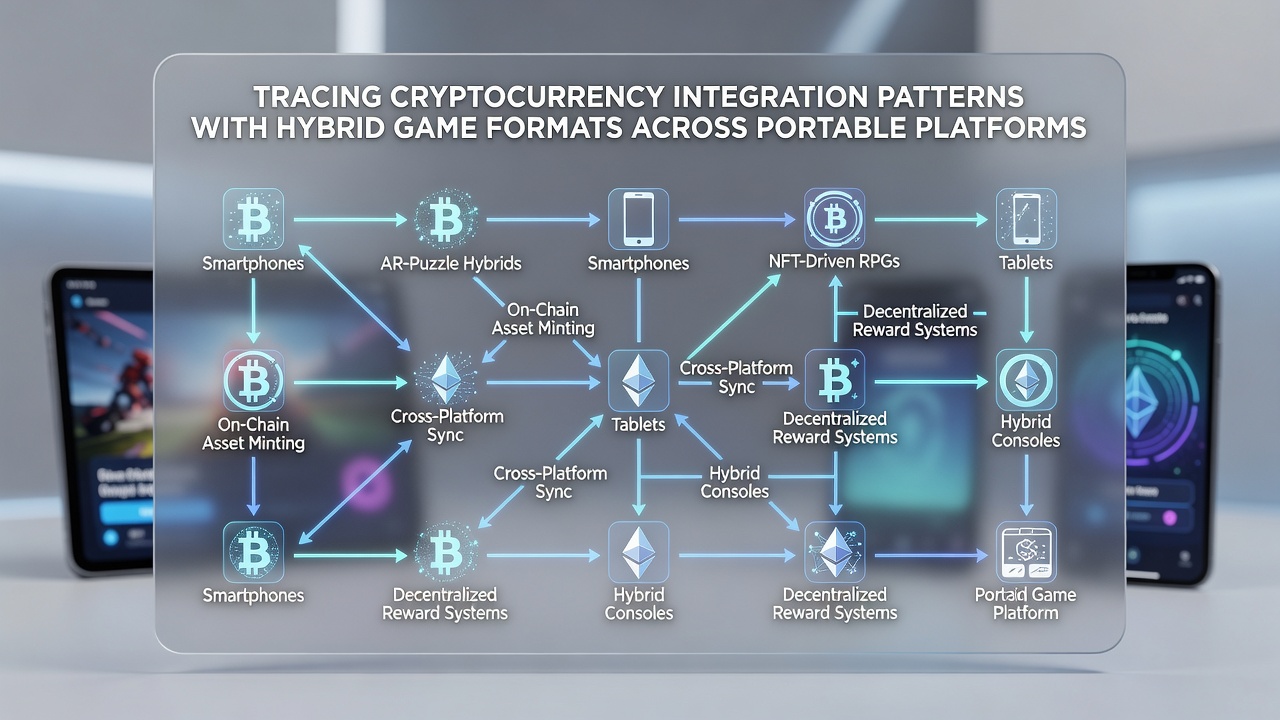
Research indicates that hybrid environments rely on modular architecture where cryptocurrency ledgers serve as the central accounting layer while individual game clients handle rendering and logic. One study revealed that portable implementations often employ off-chain computation for speed during rapid transitions, settling final results on-chain only after a session concludes. Turns out this hybrid ledger approach reduces gas costs significantly, which matters for formats that encourage frequent small bets or instant reward claims. Those monitoring developer repositories note increasing use of zero-knowledge proofs to verify outcomes without exposing full transaction histories on public chains.
Player Behavior Metrics
Figures from the Australian Gaming Association 2026 trends report demonstrate that users on handheld devices engage with cryptocurrency-enabled hybrid titles at rates 40 percent higher than desktop counterparts, largely because portability supports intermittent play sessions throughout the day. Data shows reward tokens earned in one module transfer automatically to another, sustaining engagement across different mechanics without requiring manual wallet management each time. Observers note this continuity contributes to measurable increases in daily active users for platforms that implement such flows effectively.
Yet device fragmentation presents ongoing challenges, as variations in operating system permissions affect how cryptocurrency keys integrate with hardware secure elements. In July 2026, updates to major mobile operating systems introduced standardized APIs that simplify these connections, prompting renewed development cycles among studios focused on hybrid formats. The reality is that portable platforms now host the majority of experimental integrations because rapid iteration cycles allow quick testing of new blockchain features before wider deployment.
Conclusion
Patterns traced across available datasets point to sustained growth in cryptocurrency embedding within hybrid game structures on portable devices, supported by both technical refinements and shifting user expectations around seamless asset movement. Evidence suggests continued refinement of cross-platform compatibility will determine how widely these models expand in subsequent periods, while regional regulatory frameworks shape the pace of adoption in different markets. Researchers continue to track transaction volumes and session data to map future trajectories in this evolving space.