Encrypted Payment Networks: Facilitating Extended Bonus Play in Portable Casino Platforms
Blake Hartmann · Jul 8, 2026
Encrypted Payment Networks: Facilitating Extended Bonus Play in Portable Casino Platforms
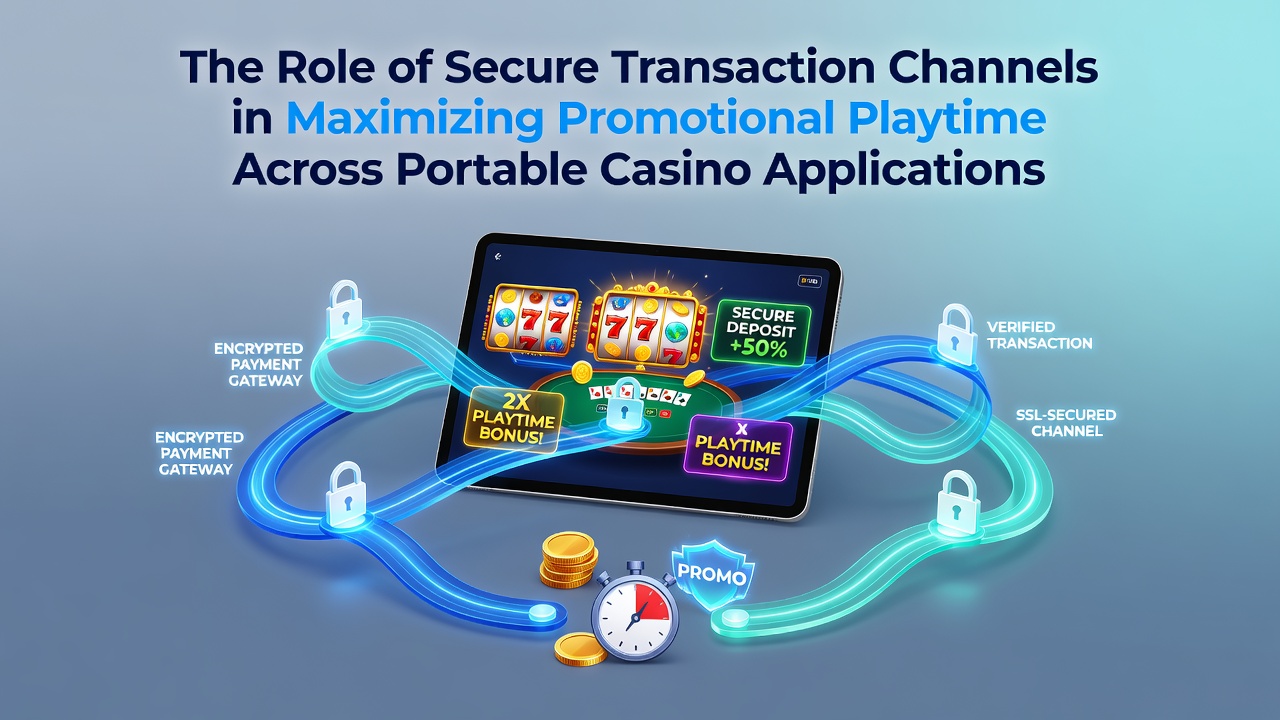
Portable casino applications rely on encrypted payment networks to keep promotional playtime running smoothly and without interruption, while data from regulatory bodies across multiple regions shows how these systems reduce processing delays that otherwise cut short bonus sessions. Research from the New Jersey Division of Gaming Enforcement indicates that platforms using end-to-end encryption experience fewer transaction failures, allowing users to activate free spins and deposit-matched offers in rapid succession during peak hours in July 2026.
Secure channels work by routing funds through tokenized pathways that shield card details and wallet credentials from interception, and this protection extends directly to promotional mechanics because players can reload balances or claim timed bonuses without pausing to verify suspicious activity alerts. Observers note that when payment gateways incorporate multi-factor authentication alongside real-time fraud scoring, the average session length tied to no-deposit rewards increases measurably according to industry benchmarks compiled by the Canadian Gaming Association.
Core Mechanics Behind Protected Transactions in Mobile Environments
Applications built for handheld devices integrate secure sockets layer protocols and biometric confirmation layers so that every deposit supporting a promotional campaign travels through verified nodes rather than open networks. Those who've examined transaction logs from major operators report that this architecture prevents the kind of mid-session drops that force players to restart bonus wagering requirements from scratch. Data collected by the Malta Gaming Authority reveals that apps employing these layered defenses process over 98 percent of bonus-funded transfers within three seconds, keeping momentum intact across live dealer tables and slot sequences alike.
Tokenization further separates sensitive financial data from the app's main environment, which means promotional playtime benefits from reduced latency when users switch between different bonus types or claim streak rewards. Studies conducted by university researchers in Australia highlight how such separation also lowers chargeback rates, freeing operators to allocate more resources toward extending play windows instead of resolving disputes.
Connection Between Payment Security and Promotional Longevity
Longer engagement with bonuses depends on uninterrupted access to funds, and encrypted channels deliver that continuity by flagging anomalies before they interrupt gameplay rather than after. One analysis of European app usage patterns showed that players utilizing secured e-wallets completed wagering requirements on time-limited offers at higher rates than those relying on standard card entries, because fewer verification steps interrupted the flow. The reality is that when transaction channels incorporate instant confirmation signals, promotional timers keep ticking productively instead of pausing for manual reviews.
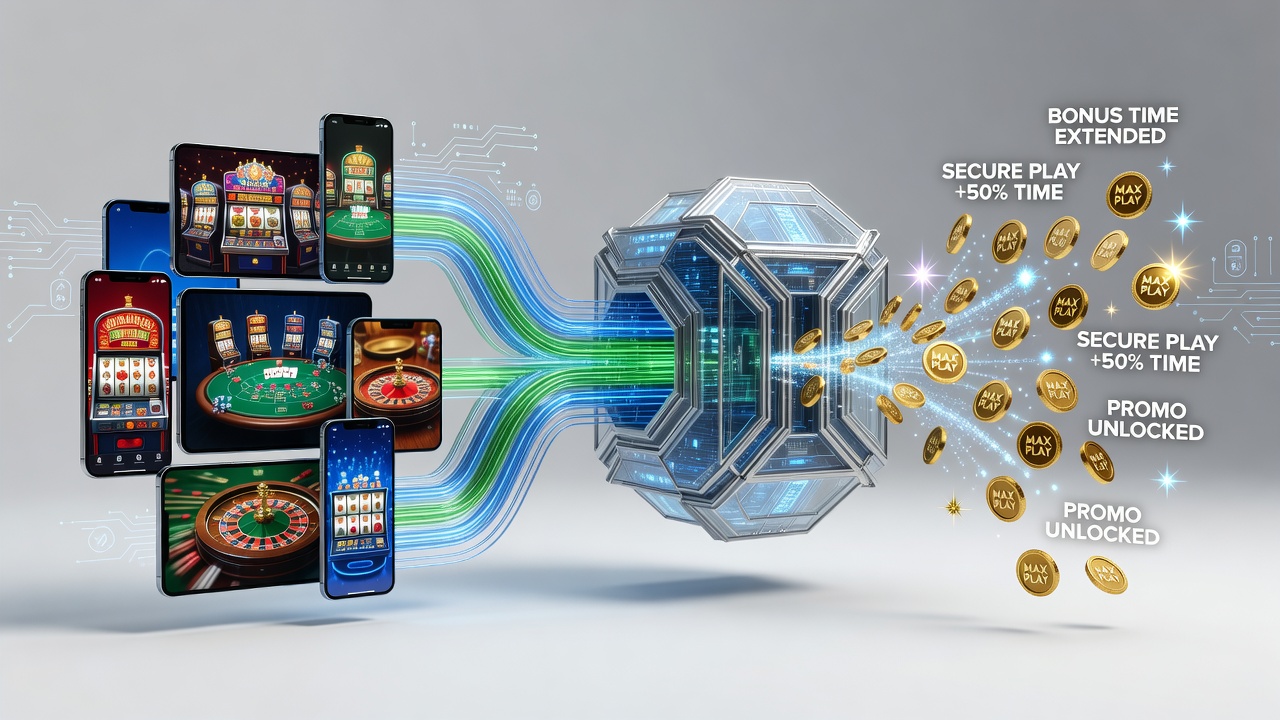
Portable platforms that prioritize these safeguards also support seamless transitions between deposit methods, allowing users to top up mid-session without exiting the bonus interface. Figures released by the Nevada Gaming Control Board demonstrate that such flexibility correlates with extended play periods on hybrid slot and table formats, especially when promotional credits carry expiration clocks that start upon activation. What's significant is the way these systems maintain compliance logs automatically, giving operators clear records that support continued bonus availability without regulatory friction.
Practical Outcomes Observed Across Global Markets
Market data compiled in 2026 points to measurable gains when apps deploy secure transaction layers at the core of their promotional engines. Players in regions served by advanced encryption standards report fewer instances of stalled withdrawals tied to bonus winnings, which in turn encourages repeated engagement with new offers. Industry reports from the Asia-Pacific Gaming Association indicate that operators who upgraded their payment infrastructure saw promotional playtime rise by double-digit percentages during the first half of the year, driven largely by reduced friction in funding accounts on the go.
Case examples include apps that pair biometric login with tokenized payments to let users claim reload bonuses instantly while traveling, and researchers tracking these deployments found that session continuity improved because payment confirmations no longer required separate browser redirects. This integration keeps the focus on gameplay rather than administrative hurdles, directly supporting the goal of maximizing time spent on promotional features.
Conclusion
Encrypted payment networks form the backbone that sustains extended promotional activity inside portable casino applications by minimizing interruptions and maintaining compliance across diverse regulatory landscapes. Evidence from multiple international sources confirms that these channels enable faster processing, lower failure rates, and higher completion of bonus-related wagering, all of which contribute to longer active play windows. As platforms continue refining these systems, the measurable impact on promotional longevity remains tied to the reliability and speed of secure transaction flows.