Crypto Payments and Digital Wallets Extending Mobile Slot and Roulette Sessions
Tina Reed · Jul 1, 2026
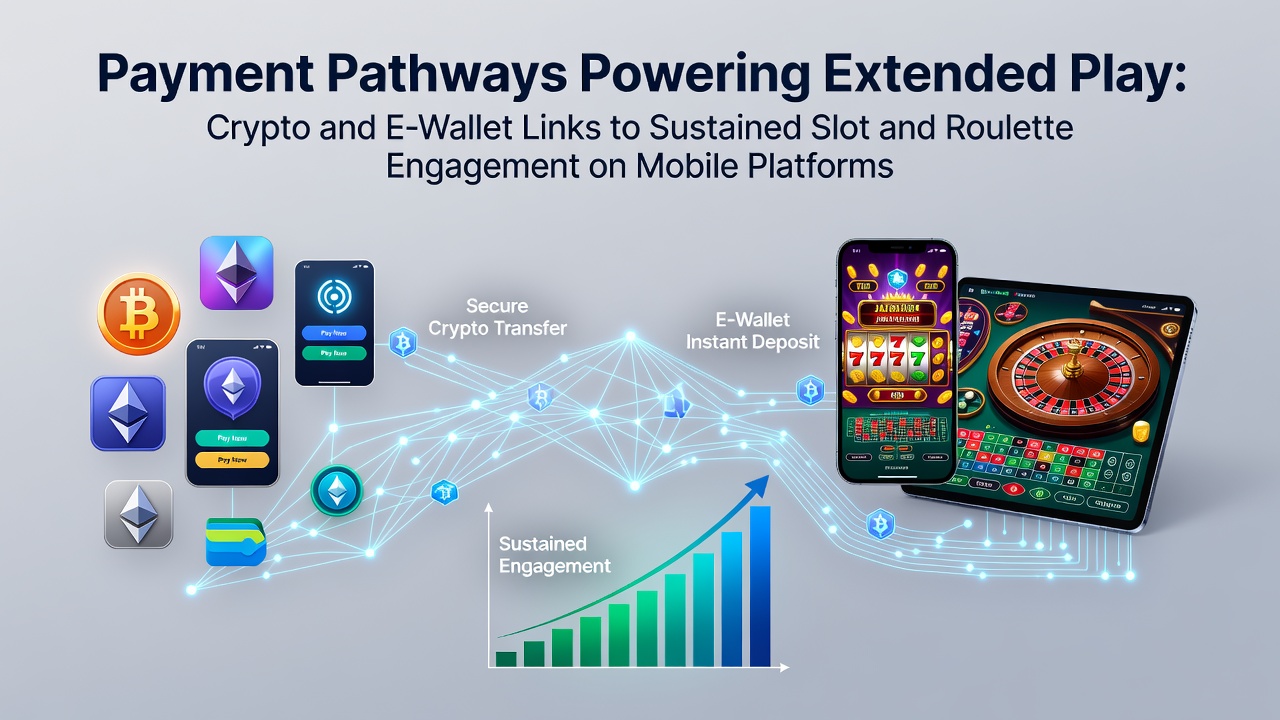
Crypto Payments and Digital Wallets Extending Mobile Slot and Roulette Sessions
Payment systems built around cryptocurrencies and electronic wallets continue to reshape how players interact with mobile slot and roulette titles, with transaction speed and accessibility serving as key factors in session length. Industry data collected through 2025 shows rising adoption rates across platforms that support instant deposits, and this pattern has carried forward into mid-2026 with further integration of blockchain-based options.
Transaction Speed and Session Continuity
Operators report that deposits completed via digital currencies reach player accounts in under a minute in many cases, whereas traditional card processing can introduce delays of several minutes. Those shorter intervals allow users to resume spinning reels or placing roulette bets without leaving the app, and this continuity contributes to longer overall engagement times. E-wallets such as those tied to established financial apps offer comparable speed for both funding and cashing out, which keeps the focus on gameplay rather than administrative steps.
Research from the European Gaming and Betting Association highlights that platforms offering multiple digital payment rails see higher average session durations compared with those limited to slower methods. The report notes particular growth in markets where mobile data networks support rapid verification protocols, and observers note similar trends appearing in North American jurisdictions that have expanded regulated offerings.
Cryptocurrency Options and Player Retention Patterns
Bitcoin, Ethereum and several stablecoins now feature in numerous mobile casino applications, providing alternatives that bypass some banking restrictions while maintaining ledger transparency. Players who select these methods often complete multiple deposit cycles within a single session because confirmation times remain consistent regardless of banking hours or regional holidays. Data compiled by regulators in Ontario indicate that crypto-linked accounts logged higher repeat login frequencies during the first half of 2026, with July figures reflecting continued upward movement in daily active users on participating apps.
Security features built into many wallets, including biometric authentication and two-factor prompts, reduce friction during quick top-ups. This setup lets individuals move between slot bonus rounds and live roulette tables while keeping funds readily available, and developers have responded by embedding wallet shortcuts directly into game interfaces.
E-Wallet Features Supporting Sustained Roulette and Slot Play
Popular e-wallet services integrate with mobile operating systems to enable one-tap transfers that appear instantly in game balances. This capability proves especially useful during roulette sessions where players adjust bet sizes frequently or during slot tournaments that reward consecutive spins. Figures released by the New Jersey Division of Gaming Enforcement show that apps supporting these wallets recorded elevated time-on-device metrics throughout 2025 and into the following year.
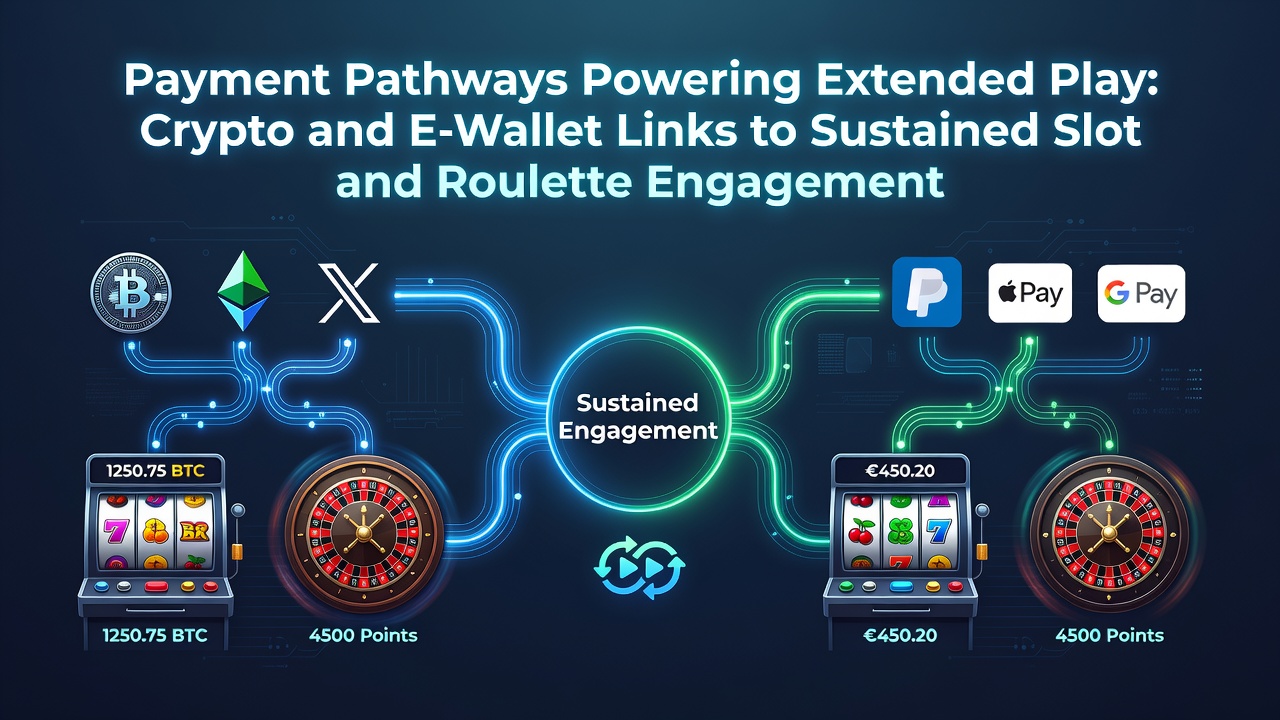
Low or zero transaction fees associated with many e-wallet providers further encourage players to experiment with smaller, more frequent deposits rather than large single transfers. The result appears in aggregated play data as extended periods of activity spread across several shorter intervals instead of one long block. Developers have begun embedding loyalty mechanics that reward consistent use of these payment tools, creating additional incentives for continued engagement.
Regulatory Context and Platform Adaptations
Authorities in multiple regions have updated guidelines around digital asset handling, prompting operators to refine their compliance layers while preserving transaction speed. In Australia the Northern Territory Racing Commission has documented increased use of approved e-wallet solutions among licensed remote operators, with statistics pointing to stable or growing player retention rates through the middle of 2026. Similar adaptations appear in Canadian provincial frameworks where testing of new wallet integrations continues.
These regulatory shifts have encouraged app developers to prioritize seamless wallet connectivity alongside standard responsible gaming controls. Features such as spend trackers and session reminders now sit alongside payment menus, allowing users to monitor activity without interrupting the flow between deposits and gameplay.
Future Trajectory Through Late 2026
Market analysts tracking mobile gambling applications anticipate further refinement of crypto settlement layers, particularly around layer-two scaling solutions that promise even faster confirmations. E-wallet providers continue expanding cross-border functionality, which broadens access for players in regions with varying banking infrastructure. Combined, these developments point toward sustained or increased session lengths where payment pathways remain efficient and integrated.
Conclusion
Digital payment methods centered on cryptocurrencies and e-wallets have established measurable connections to extended play patterns in mobile slot and roulette environments. Transaction data and regulatory statistics through July 2026 illustrate how reduced processing times and convenient access support repeated engagement cycles. As platforms adapt to evolving standards, these pathways are likely to remain central to how users experience and prolong their time within these games.