Blockchain Systems Reshaping Eligibility Checks for No-Deposit Live Table Access on Mobile Platforms
Blake Hartmann · May 29, 2026

Blockchain Systems Reshaping Eligibility Checks for No-Deposit Live Table Access on Mobile Platforms
Blockchain verification technology now plays a central role in determining who qualifies for no-deposit entry to live table games on regulated handheld platforms, and operators integrate distributed ledger systems to confirm player identities while meeting licensing conditions across multiple jurisdictions. These mechanisms record transaction histories and eligibility criteria in immutable formats that reduce duplication of records and support compliance audits without relying on centralized databases alone.
Core Mechanics Behind Verification Protocols
Smart contracts execute automated checks against predefined rules for no-deposit offers, and they evaluate factors such as account age, geographic location, and prior participation patterns before granting access to live dealer tables. When a player opens a mobile app on a regulated platform, the system queries the blockchain ledger to validate whether the device meets eligibility thresholds, and this process occurs in seconds while maintaining an auditable trail that regulators can review at any time.
Data from distributed nodes cross-reference user details against sanction lists and responsible gaming flags, so platforms avoid manual reviews for every session. Researchers at institutions studying digital identity systems note that such layered verification cuts processing times compared with traditional database queries, while preserving player privacy through cryptographic hashing rather than storing raw personal information on central servers.
Regulatory Frameworks Guiding Implementation
Authorities in various regions have issued guidance on the use of blockchain for gambling compliance, and the Malta Gaming Authority published technical standards in 2024 that outline requirements for ledger-based eligibility tracking in remote environments. Similar approaches appear in Canadian provincial frameworks, where operators must demonstrate that verification tools align with consumer protection mandates before deploying no-deposit features for live table participants.
European Union directives on digital services further encourage transparent record-keeping, and blockchain solutions allow platforms to share compliance data with oversight bodies without exposing full user profiles. Observers note that these standards create consistent expectations for handheld device operators, while permitting flexibility in how each licensee structures its verification workflow.
Practical Applications in Live Table Environments
Players attempting to join no-deposit blackjack or roulette sessions on mobile apps encounter blockchain checks that confirm device registration and bonus eligibility before the live dealer stream activates. The technology flags accounts that have already redeemed similar offers across connected platforms, and it prevents simultaneous claims that would otherwise violate terms set by licensing conditions.
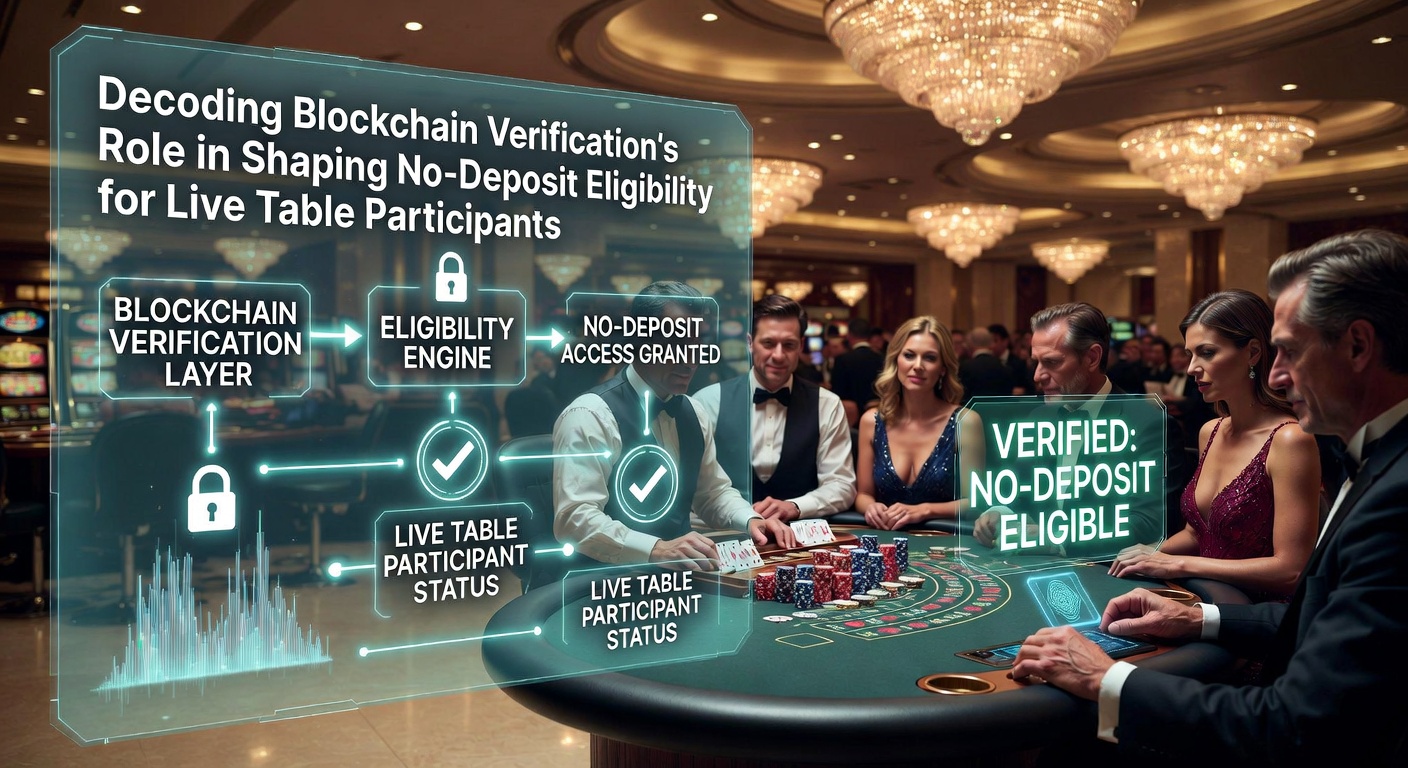
One documented case involved a European operator that integrated a permissioned blockchain network in early 2025, and the change allowed real-time confirmation of player status across multiple live table providers. Reports indicate that fraud attempts dropped after implementation because duplicate claims became visible to all participating nodes within the network.
Technical Considerations for Handheld Platforms
Mobile operating systems impose specific constraints on ledger synchronization, so developers optimize node communication to minimize battery drain and data usage during verification. Platforms running on both iOS and Android devices must ensure that cryptographic operations remain efficient even when network conditions vary, and many solutions now use lightweight consensus models tailored for consumer hardware.
Industry reports from research groups focused on gaming technology show that hybrid architectures combining on-device hashing with cloud-based ledger updates deliver the balance required for seamless live table experiences. These setups maintain eligibility records even when players switch between Wi-Fi and cellular connections, and they support updates to verification rules without requiring full app reinstalls.
Emerging Developments Expected in May 2026
Industry schedules indicate that several regulated platforms plan to roll out enhanced blockchain modules in May 2026, and these updates will incorporate zero-knowledge proofs that let systems confirm eligibility without revealing specific player attributes. Such advancements align with ongoing work by standards bodies exploring privacy-preserving verification across international markets.
Testing phases currently underway in select jurisdictions demonstrate that these tools can handle peak loads during promotional periods while preserving the speed required for live dealer interactions. Data collected during pilot programs will inform final specifications released ahead of the May timeline.
Conclusion
Blockchain verification continues to influence how regulated platforms manage no-deposit access to live table games on handheld devices, and its adoption reflects broader shifts toward transparent, automated compliance systems. Operators and regulators alike examine these tools for their capacity to maintain integrity while supporting player convenience across evolving mobile environments.